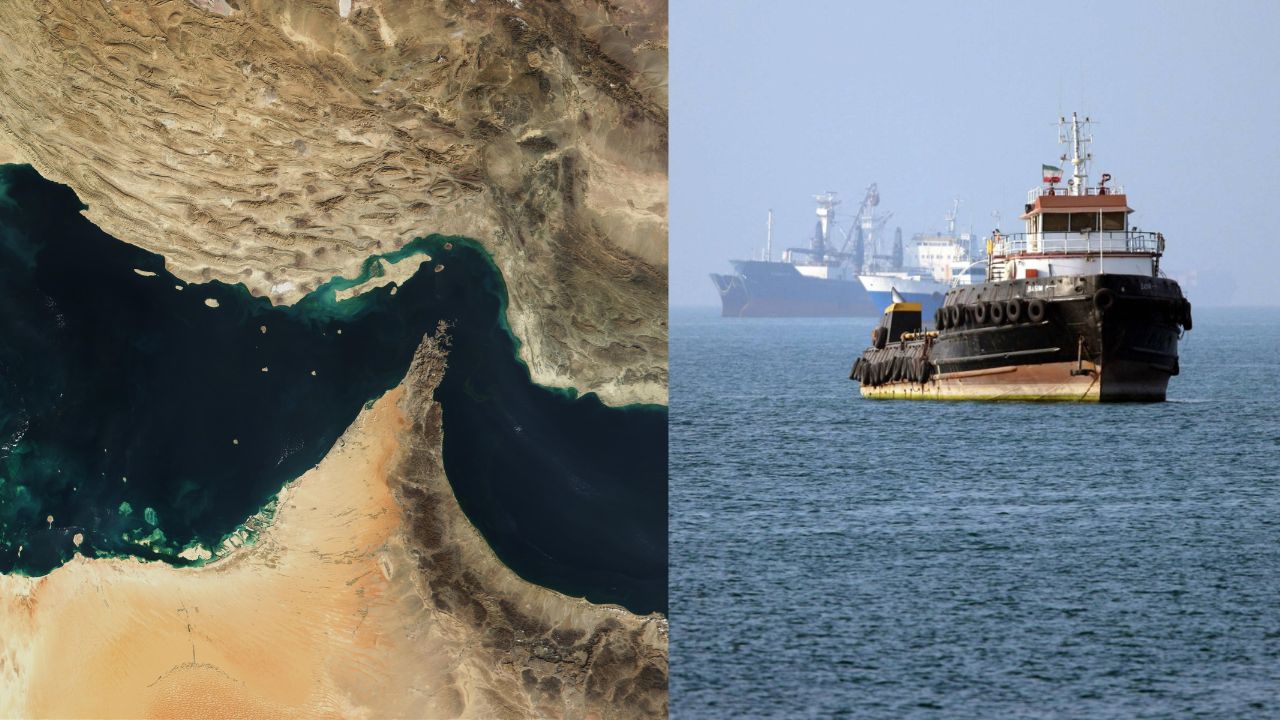
The Strait of Hormuz, the lifeline for oil transportation, will be opened in a few days after the peace agreement between America and Iran. However, the long-standing fuel supply problems and oil fires are unlikely to be completely extinguished overnight. Experts say it will take a few months for oil shipments to return to normalcy and pre-tension conditions. And what is the relief for India with these developments? Will fuel prices decrease in the country?
Before the war, one-fifth of the world’s oil and gas supplies passed through the Strait of Hormuz. However, hundreds of oil tankers have been stuck in the Persian Gulf for the past few months due to the closure of this waterway due to Iran-US attacks. After that, with the temporary ceasefire and other developments, although some ships passed through Hormuz in extremely dangerous conditions, their numbers were very few. Now with the US-Iran Deal, both sides have agreed to make this strait fully available again. After the signing of the deal on Friday, the arrival of ships through Hormuz will start.
However, industry experts say that this will not increase the oil supply immediately. “Usually oil tankers move very slowly. Even if Hormuz is opened now, it will take several months for the ships to reach their destination countries. There the crude oil is delivered to the refineries. After refining, the oil is supplied to the retail market. According to Daniel Evans, Global Head of Fuel and Refining Research at S&P Global Energy, it may take a long time for fuel supply to increase. Further, insurance, hiring of employees and loading of ships also take time..
Additionally, due to tensions, some companies in West Asia have halted oil extraction due to lack of storage capacity. Even resuming those activities now is problematic, say experts. It is said that countries like Saudi Arabia and UAE with storage capacity and alternative supply routes are likely to resume production immediately.
With the announcement of this deal, international crude oil prices have come down. Brent crude price reached 83 dollars per barrel. However, this price is still high compared to the pre-war price ($70). Therefore, there is no possibility of reducing their prices in the retail market. Also, the ships currently stuck at Hormuz should come out from there. After that new tankers have to load fuel again. Experts say that this whole process takes a long time.
Relief for India..
With this deal, the strait of Hormuz is being made available to India again. If our oil imports from the Gulf countries increase again, domestic supply of fuel and gas will improve. Due to the slowdown in oil supply due to the war and the increase in international prices, the domestic oil and gas companies have been burdened. Even if the center has cut the excise duty to reduce it, it has to increase the retail prices. “Government sector energy retailers have lost the profits earned throughout the year.. in this one quarter. Now with the agreement, fuel supply will increase. We hope that due to this, the price burden will also be reduced,” said industry sources.
Further, the fall in international crude oil prices will reduce the import burden for India. This will strengthen the rupee and remove inflationary concerns. Shipping and insurance costs for companies will be reduced. Industry experts say that all these will boost the economy. Before the war, India met 88 percent of its crude oil requirements through imports. Almost half of this was transported from the Gulf countries via Hormuz. Further, 60 percent of our country’s LPG needs are based on imports. 90 percent of it should come through this strait.