Afghanistan’s fragile healthcare system has come under severe pressure after the Trump administration sharply reduced US humanitarian assistance in 2025. At least 161 preventable deaths have been documented in connection with disruptions to healthcare following the funding cuts. The cases include mothers, newborns, children and adults who were unable to access essential medical services.
US Aid Cuts Deepen Afghanistan’s Healthcare Crisis:
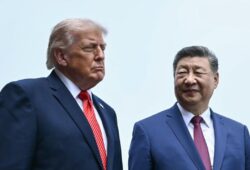
The Trump administration froze around $1.7 billion in assistance connected to Afghanistan after returning to power in 2025. The reduction affected humanitarian and health programmes that had supported medical services across the country. Afghanistan had depended heavily on international assistance to maintain primary healthcare, maternal services and facilities in remote areas.
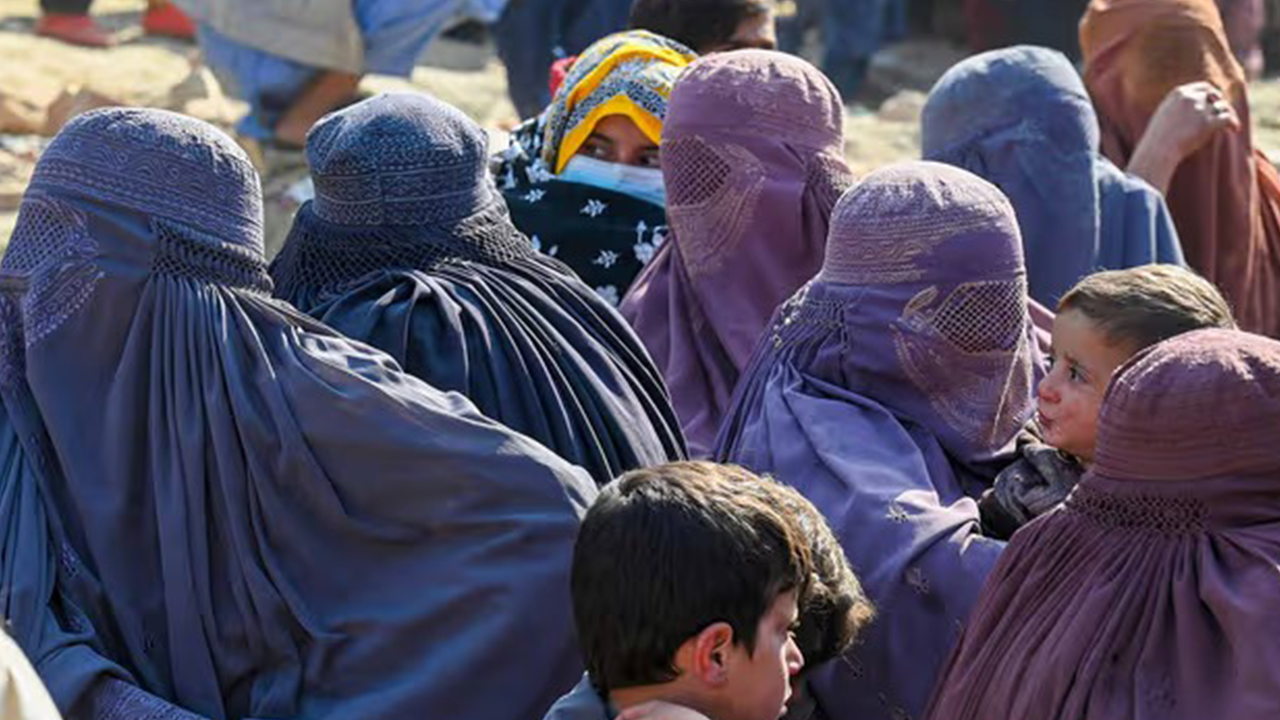
The consequences have been particularly severe for women and children. A survey of healthcare workers across Afghanistan found that many medical facilities had either closed because of funding shortages or were at risk of shutting down.
In several rural areas, pregnant women have been forced to travel for hours to reach functioning hospitals after local health centres stopped providing services. Shortages of healthcare workers, medicines and essential equipment have added to the pressure on the already fragile system.
Mothers and Newborns Face Growing Risks:
The crisis has also affected hospitals providing maternal and newborn care. In parts of Nangarhar, neonatal mortality increased significantly in 2025 compared with the previous year. Healthcare facilities have reported problems maintaining oxygen supplies and providing emergency treatment.
Among the 161 documented deaths, 80 were maternal deaths, while 30 involved newborns or fetal deaths. Another 14 deaths involved children and 26 involved adults.
The reported figure represents documented cases rather than the total number of deaths linked to the healthcare crisis. However, the situation highlights how disruptions in humanitarian funding can quickly affect basic medical services in a country heavily dependent on international assistance.