Protein is pretty much treated like the non negotiable thing for fitness and muscle building, but honestly there are a bunch of half-truths and misconceptions about how much you really need, where to source it and when to take it. Sometimes people talk about protein like it’s magic, and not a nutrient.
5 Protein Myths You Should Stop Believing
Myth 1: More Protein Automatically Means More Muscle
If you eat more protein, it doesn’t mean your muscles will automatically grow bigger. Your body can only use a certain amount at a time for muscle protein synthesis, and your total protein needs depend on more than just “eat extra”. It also depends on body weight, activity level, and your fitness goals.
In general, adequate protein works best when it’s paired with consistent resistance training, enough calories, and real recovery.
Myth 2: Indian Vegetarian Food Can’t Provide Enough Protein
A vegetarian eating pattern can absolutely hit sufficient protein targets, as long as you include a variety of protein dense foods. Dal, beans, chickpeas, soy products, paneer, curd, milk, nuts and seeds can all contribute to your daily protein intake, even if it feels “simple”.
The trick is keeping a balanced diet, and making sure you’re actually reaching your total protein needs across the whole day.
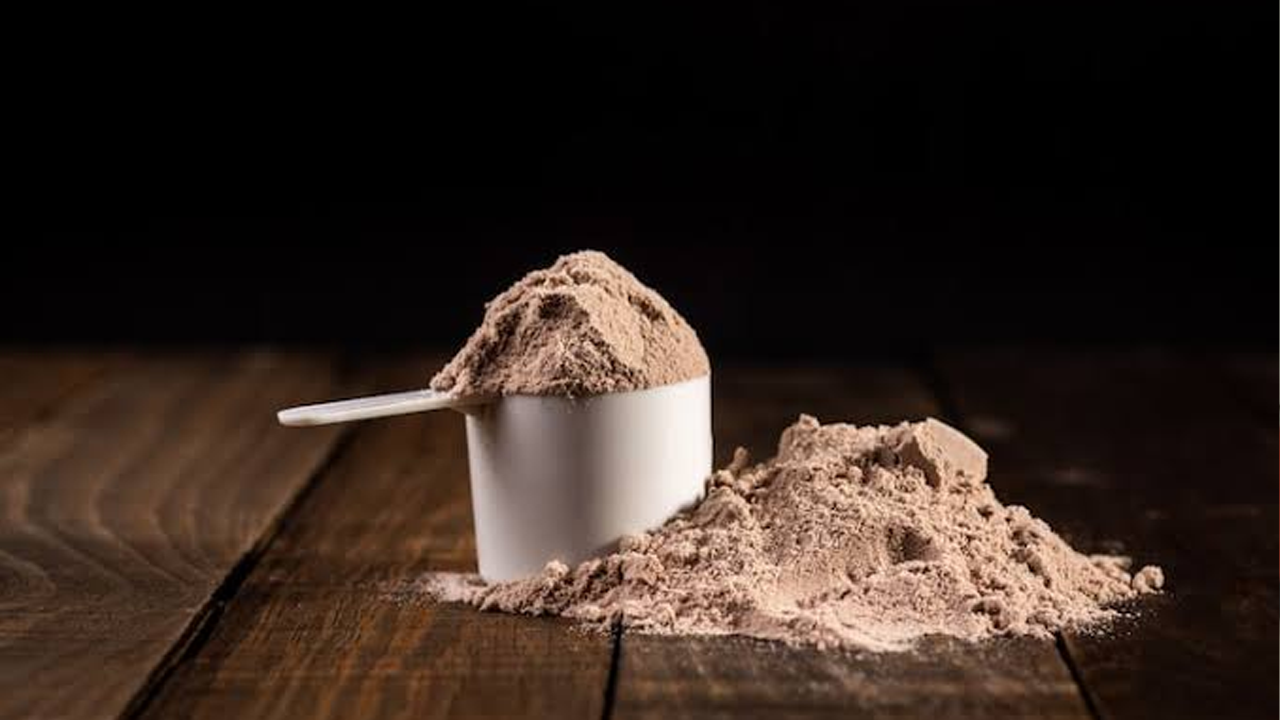
Myth 3: You Need Whey Protein to Build Muscle
Whey protein is convenient, but it is not a must have for building muscle. You can meet your protein needs through normal foods, as long as your overall diet is well planned.
Whey may help when it’s hard to reach protein using meals alone, but it should be seen more like an add on, not a non negotiable requirement.
Myth 4: You Need Protein Immediately After Your Workout
That “protein right after training” idea is kinda overplayed. Eating protein around your workout can help with recovery, but what matters most is your total protein intake over the day, not a tiny time window.
Basically, getting a protein rich meal or snack within a reasonable period after training is usually enough.
Myth 5: A “High Protein” Food Is Automatically Healthy
A food being high in protein doesn’t automatically make it healthy. Some packaged products have high amounts of added sugar, sodium, unhealthy fats, or just a lot of extra calories even though they’re marketed as protein rich.
So don’t only stare at protein grams. Check the full nutrition label and the ingredients list.
Protein matters for muscle growth, recovery, and overall health, but more isn’t always better. A balanced diet, getting adequate protein, strength training, sleep, and consistency all matter, and they work together for real results.