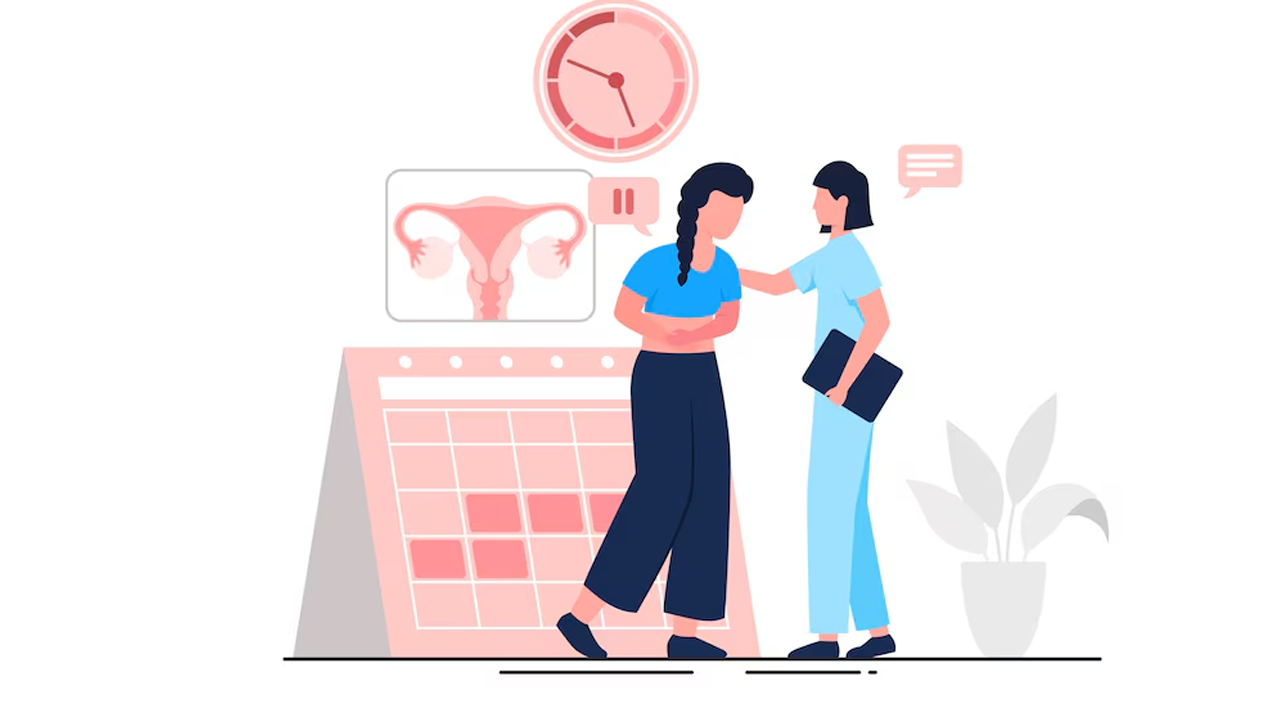
Menopause is this natural stage in pretty much every woman’s life but the shift usually comes slowly. Perimenopause is the phase right before menopause, where hormones start doing their little roller coaster thing, while menopause is basically when the menstrual cycles are over. Knowing how these two differ can make it easier to spot symptoms and handle your health in a more calm way.
What is Perimenopause ?
Perimenopause is the lead up to menopause, when levels of estrogen and progesterone begin fluctuating more and more. Usually it starts in your 40s but for some women it can happen earlier, no warning really.
Common symptoms might include:
- Irregular periods
- Hot flashes and night sweats
- Mood swings and anxiety
- Sleep problems.
- Fatigue
- Brain fog
- Libido changes
This phase can go on for months, or even a few years, until menopause finally arrives.
What is Menopause ?
Menopause is officially when there’s been no menstrual period for 12 months in a row. At that point the ovaries stop releasing eggs and also stop making reproductive hormones like before.
Common symptoms include:
- Hot flashes
- Vaginal dryness
- Sleep difficulties
- Mood shifts
- Weight changes
- Changes in bone health
Key differences between Perimenopause and Menopause
1. Hormonal changes
In perimenopause, hormone levels go up and down, sometimes so much it feels unpredictable. After menopause hormone levels stay low, more steady, less swingy.
2. Period changes
During perimenopause you may still have periods but they can be irregular, skip randomly or change in flow. Menopause starts once periods fully stop.
3. Fertility
Pregnancy is still possible during perimenopause but fertility tends to drop. After menopause, natural pregnancy is no longer possible.
4. How long it lasts
Perimenopause is that transitional window that can stretch out for years. Menopause is more like a defined point, when you’ve gone 12 months without a period.
5. Overall health impact
Both stages can affect bone health, heart health, metabolism, mood and just general well-being, largely because hormone levels are shifting.
When should you seek medical advice?
It’s a good idea to talk to a doctor if you have very heavy bleeding, big or unusual mood changes, odd pain, or symptoms that start messing with your everyday life, work, or sleep.
You can support your body with lifestyle changes. Regular movement or exercise, eating a balanced diet with enough calcium and vitamin D, getting solid sleep, managing stress, and staying hydrated can all help you get through this transition with a bit more ease.