
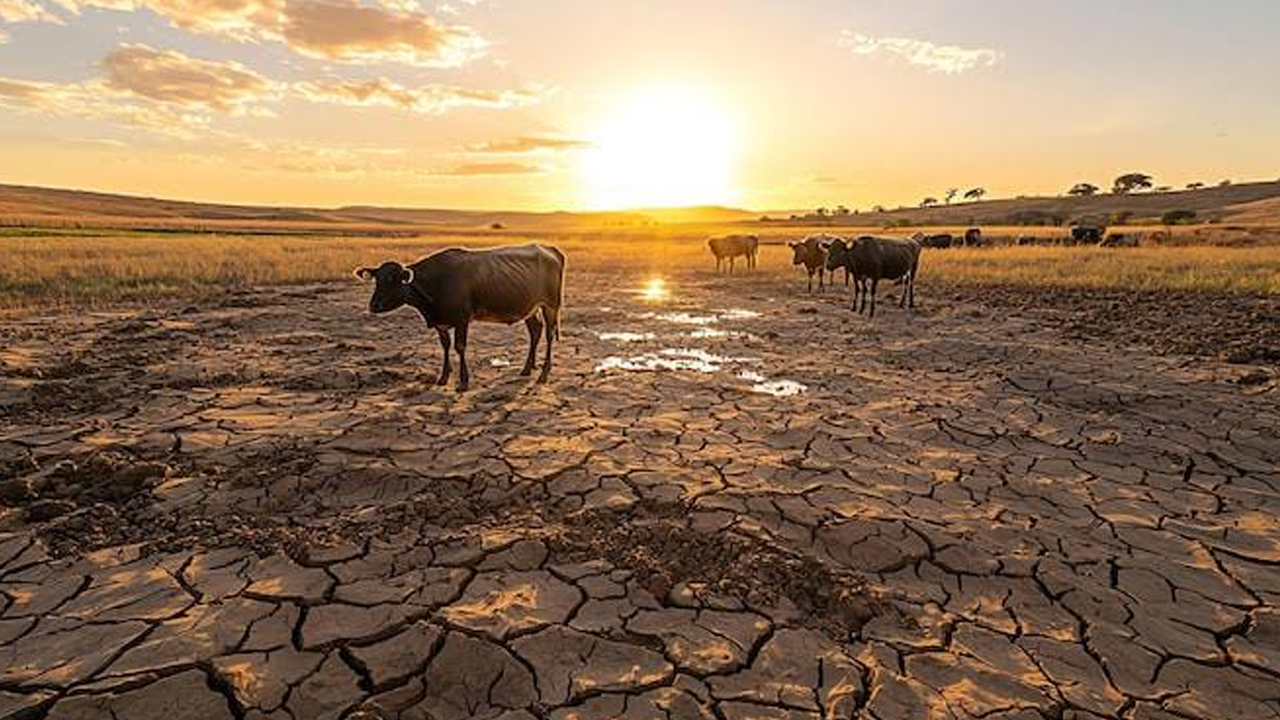
The changing pattern of weather across India is becoming increasingly difficult to ignore. Rainy seasons are witnessing prolonged dry spells, while periods that are usually associated with summer heat are seeing intense downpours. Scientists now warn that these unusual shifts could become even more severe as a powerful Super El Nino develops over the Pacific Ocean, increasing the risk of extreme temperatures and erratic rainfall over the next two years.
Climate experts say the combination of rising global temperatures and a strengthening El Nino event could push weather systems beyond their usual limits. If current projections hold, 2027 could witness some of the highest global temperatures ever recorded, bringing major challenges for agriculture, water management, and public health.
Rainfall Patterns Become Increasingly Unpredictable:
India has already experienced striking examples of changing rainfall behaviour this year. According to long term rainfall records dating back to 1901, June recorded rainfall that was about 40 percent below normal, making it the fifth driest June on record.
The situation changed dramatically with the arrival of July. Gujarat’s Valsad district received an extraordinary 1,064 millimetres of rain within just 24 hours, setting a remarkable rainfall record. Around Mahabaleshwar and Lonavala, nearly 1,000 millimetres of rain fell within two days.
As a result, the seasonal rainfall deficit narrowed to around 15 percent by the end of July. However, experts point out that rainfall arriving in short bursts creates greater flood risks instead of providing the steady moisture needed for agriculture and groundwater recharge.
Scientists explain that a warmer atmosphere can hold more moisture. For every one degree Celsius increase in global temperature, the atmosphere is capable of retaining around seven percent more water vapour. When that moisture is eventually released, it often falls as extremely heavy rain over a short period, increasing the chances of flash floods while reducing effective soil moisture despite normal seasonal rainfall totals.
How Super El Nino Could Impact India
Meteorologists are closely monitoring warming sea surface temperatures across the Pacific Ocean as El Nino continues to strengthen. Scientists estimate that the world’s oceans absorb more than 90 percent of the excess heat generated by human driven climate change. The amount of heat entering the oceans every second has been compared to the energy released by about 12 Hiroshima atomic bombs.
If sea surface temperatures rise by as much as 3.5 degrees Celsius above normal, the event could qualify as a Super El Nino. Under such conditions, global average temperatures could approach a record 1.55 degrees Celsius above pre industrial levels by 2027, increasing the likelihood of severe heatwaves and exceptionally high temperatures across India.
Agriculture is already showing signs of stress from these shifting weather conditions. Delayed monsoon rainfall and uneven precipitation have affected sowing activity across several regions. By the middle of July this year, Kharif cultivation had declined by nearly six percent, leaving around 4.2 million hectares unsown. Pulses, oilseeds, and cotton have been among the most affected crops. Farmers have faced delayed sowing because of dry conditions, followed by sudden flooding that has damaged young plants, raising concerns over crop yields and future food security.
Experts believe preparations cannot wait until the next summer. They stress that governments and communities must begin planning well in advance by improving reservoir management, encouraging crops that mature within shorter periods, making irrigation more efficient, and strengthening public health systems to cope with prolonged heat. Early action, they say, will be essential to reduce the impact of a possible Super El Nino and the extreme weather it may bring.