
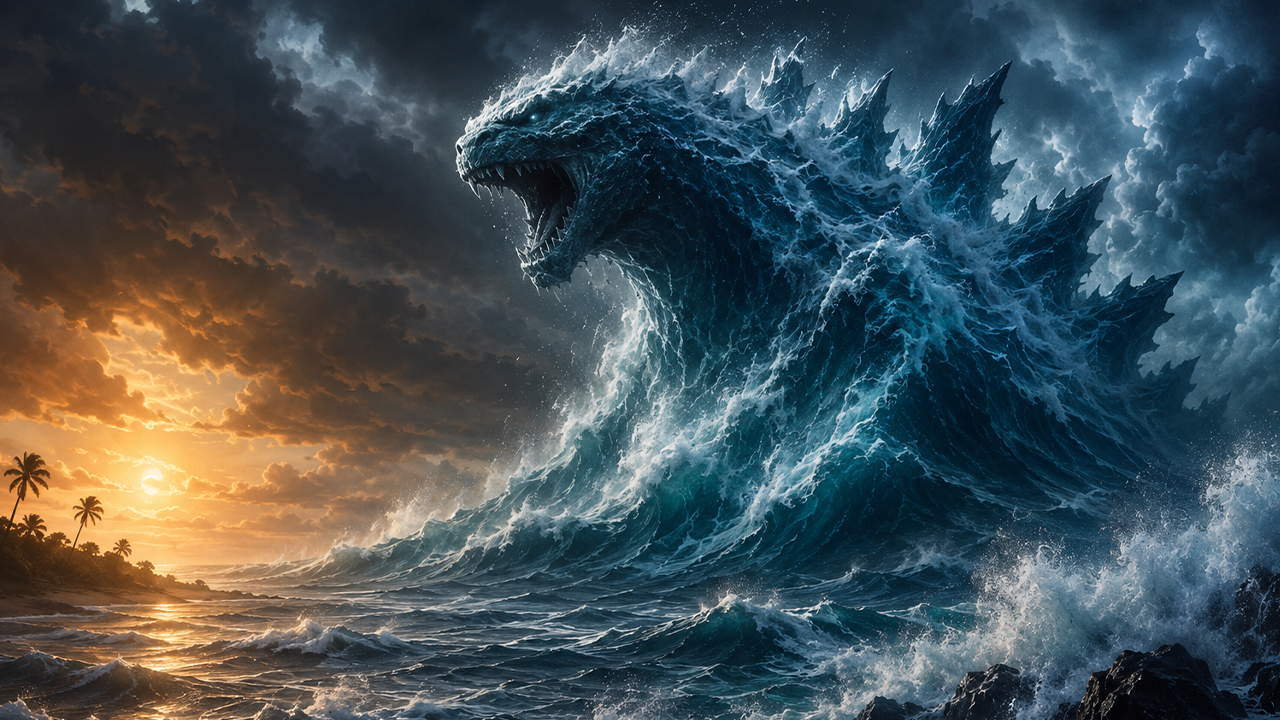
Scientists are keeping tabs on a rapidly strengthening El Nino that, looks like it might turn out to be the most powerful in almost 150 years. People have been calling it the “Godzilla El Nino,” it’s expected to mess with weather patterns around the world in a big way.
The ‘Godzilla’ El Nino of 2026 Explained
El Nino is a normal climate thing, but it happens when sea surface temperatures in the central and eastern Pacific Ocean go unusually warm. Those warmer waters, they throw off global weather systems, and then you can see heat waves, floods droughts, and shifts in rainfall, pretty often.
Based on the latest climate forecasts, the 2026-27 El Nino is growing faster than what they usually see. Some models even hint it could match or maybe outdo the 1877-78 El Nino, which was among the strongest on record. Still, researchers stress that the forecasts are changing and the precise strength will likely be understood more clearly in the next few months.
What Could Happen?
If the current projections stay on track, the world may end up dealing with:
More heat overall, and heatwaves that show up more frequently
Very heavy rainfall in certain areas, plus flooding
Dry spells elsewhere, especially parts of Australia and Southeast Asia
Extra strain on farming, food systems ,and water supplies
How Could India Be Affected?
For India, a strong El Nino often means a higher chance of a weaker monsoon, hotter summers, and less agricultural production. But experts also warn that Indian weather is influenced by other climate drivers, so El Nino by itself isn’t a single, deciding factor.
Should You Be Worried?
Experts say there’s no reason to panic, yet governments and weather agencies are watching it closely. Even though El Nino is natural, the impact can get amplified by global warming, so extreme events may end up being harsher.
As scientists continue to monitor the Pacific Ocean, the coming months will tell whether the 2026 “Godzilla” El Nino really earns that nickname or not.