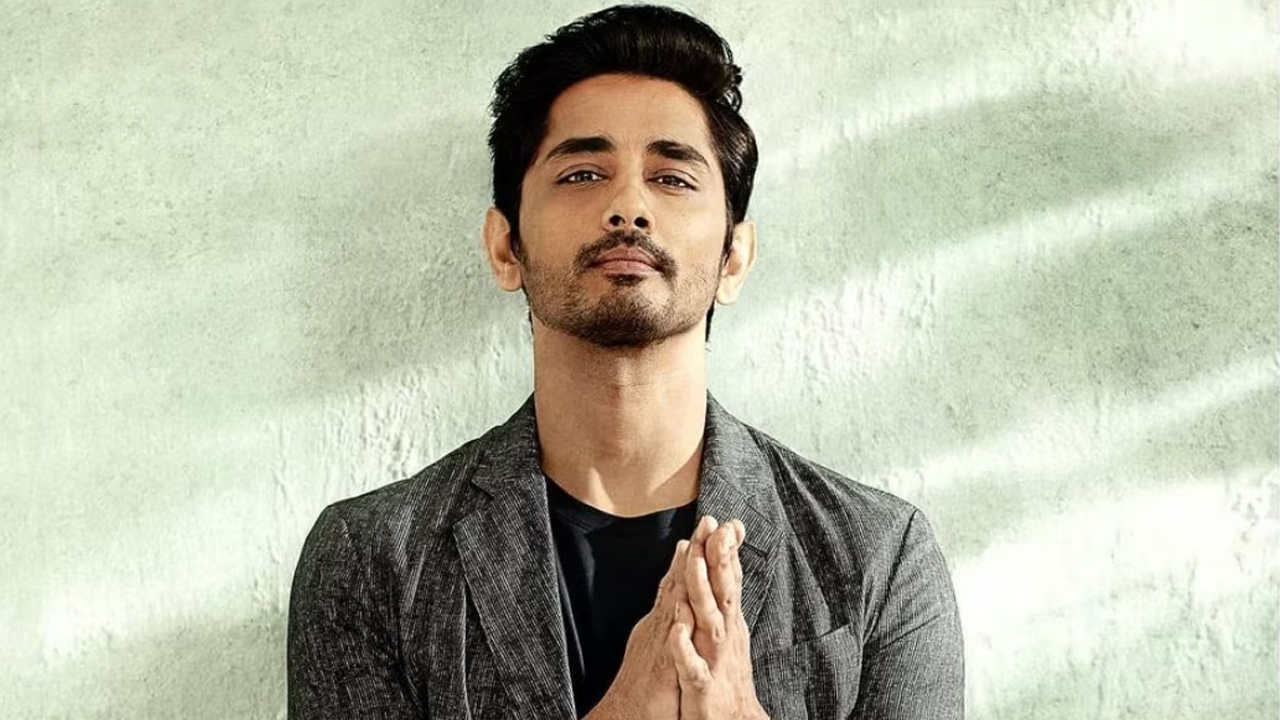
Indian cinema lately seems to be leaning pretty hard into these larger-than-life male characters, you know aggressive, super powerful, physically dominant type. But Siddharth thinks this wave, even if it keeps growing, won’t completely kick out the other versions of masculinity from the mainstream screen.
Rise of Hypermasculinity in Indian Cinema
In his view, emotionally rooted men, the ones who can be vulnerable and a bit more layered, will keep finding their way in cinema, even while hypermasculine heroes get all the attention and popularity.
Siddharth feels there should still be room for different readings of masculinity on screen. In his own career, he’s often picked roles where the man feels more emotionally open and relatable, not just built around physical strength. He also says this kind of masculinity can stay relevant, as long as directors treat the story with sincerity and a clear intent, not just as a display of muscle.
Recently, Siddharth played Squadron Leader Ajay Ahuja in Operation Safed Sagar, a film shaped around the Kargil War. He’s spoken about how there’s both responsibility and a sort of honor in bringing that Air Force officer’s journey to the screen.
The movie reportedly had support from the Indian Air Force, and Ahuja’s family, it’s said, also backed the effort to tell his story. Siddharth also says that Operation Safed Sagar shows masculinity in a slightly different way. The main characters are young men put into extreme, extraordinary situations, yet they’re still stuck dealing with their own feelings and doubts. Instead of making them look only fearless and unstoppable, the film also tracks their personal growth and the places where they feel exposed.
Not just hypermasculine men
His comments land at a time when a lot of Indian films are increasingly leaning on protagonists defined by aggression, physical power, and this constant air of extreme confidence. Sure, those kinds of characters can work, when the story genuinely needs it, but Siddharth believes it can’t become the only template.
For him, the point is to keep multiple kinds of male characters in the mix – ones who can show vulnerability, emotion and even sensitivity without it being treated as weakness.
Siddharth is pretty sure his approach will keep connecting with audiences. He doesn’t see masculinity as something that always means hiding emotions or constantly proving physical strength. And as Indian cinema keeps shifting, he believes there will always be space for different kinds of men, and different kinds of stories too.