
In a major policy change, the Central Government has decided to allow the regulated sale of alcohol in Lakshadweep by repealing the Lakshadweep Prohibition Regulation, 1979. The move ends nearly 47 years of prohibition in the island territory, where alcohol sales were largely banned except in a few government-approved tourist facilities.
The decision was officially announced through a Gazette notification issued on June 5. The old prohibition law has now been replaced by the Lakshadweep Excise Regulation, 2026, which introduces a licensing system for the manufacture, import, export, transport, sale, purchase and consumption of alcoholic beverages.
Under the new rules, government-owned corporations and agencies can obtain licences to import and sell liquor. However, the administration has made it clear that alcohol sales will remain strictly regulated rather than being freely available. To discourage excessive consumption, the government has imposed high taxes on alcoholic beverages. Excise duty has been fixed at 400 percent on Indian Made Foreign Liquor (IMFL) and imported foreign liquor, 200 percent on beer and 80 percent on wine.
The new regulation also gives the Lakshadweep administration significant control over alcohol consumption. Authorities can limit purchases, regulate possession and even reintroduce prohibition in specific areas if necessary. The sale of alcohol to anyone below 21 years of age is strictly prohibited.
Lakshadweep consists of 36 islands, of which 10 are inhabited, including Agatti, Amini, Andrott, Kadmat, Kavaratti and Minicoy. Visitors are required to obtain special permits to enter the islands, while foreign tourists are allowed only on selected islands.
Why Was Alcohol Banned?
The prohibition policy was introduced in 1979 largely because Lakshadweep has a predominantly Muslim population. According to the 2011 Census, nearly 97 percent of the population follows Islam, which prohibits alcohol consumption. The territory also has a large Scheduled Tribe population, accounting for around 95 percent of its residents. For decades, Lakshadweep remained one of the few regions in India where alcohol sales were heavily restricted.
Why Has the Policy Changed?
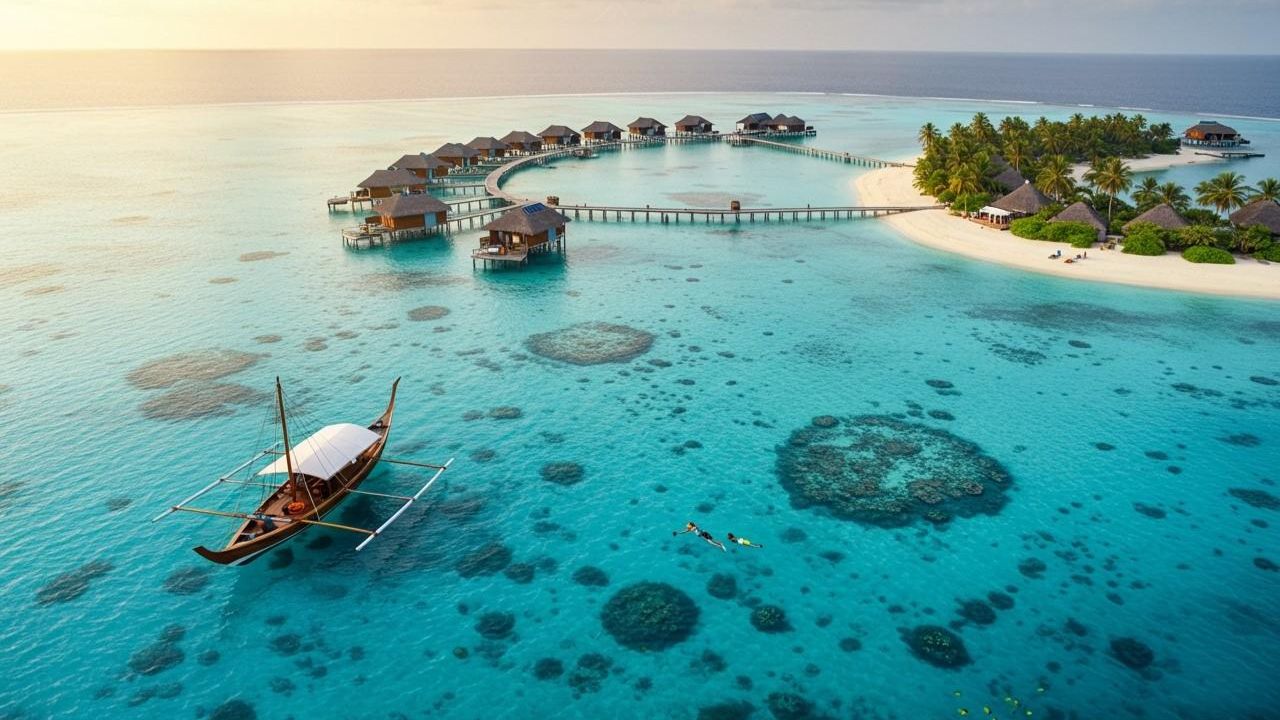
The main reason behind the policy shift is the government’s effort to promote Lakshadweep as a major tourism destination. Officials believe that restrictions on alcohol made the islands less attractive compared to international tourist destinations such as Maldives, where alcohol is available in designated tourist resorts. The push for tourism gained momentum after Prime Minister Narendra Modi visited Lakshadweep in January 2024. During the visit, he shared photographs of the islands’ scenic beauty, beaches and water activities, drawing national and international attention to the archipelago.
Tourism population have increased significantly in recent years. Government data shows that tourist arrivals sharply from around 3,800 visitors in 2020 to more than 68,000 in 2024, with a major increase recorded after the Prime Minister’s visit. Efforts to relax alcohol restrictions began after the appointment of Administrator Praful Khoda Patel in 2020. In 2021, the administration proposed expanding alcohol service to more tourism facilities. The proposal faced opposition from local political parties, community groups and residents who expressed concerns about addiction, social issues and public safety. Despite the opposition, the administration continued moving toward a regulated system. A draft excise policy was introduced in 2023, and earlier this year some government-run tourist accommodations were allowed to serve alcohol under controlled conditions.
Balancing Tourism and Regulation
While the decision has sparked debate, the government believes that a regulated alcohol policy will support tourism growth and improve hospitality services in Lakshadweep. Officials have emphasized that strict controls will remain in place and that alcohol sales will be monitored closely. With the new law, Lakshadweep is entering a new phase in its development strategy, aiming to balance tourism growth with social and cultural concerns while maintaining administrative control over alcohol consumption.