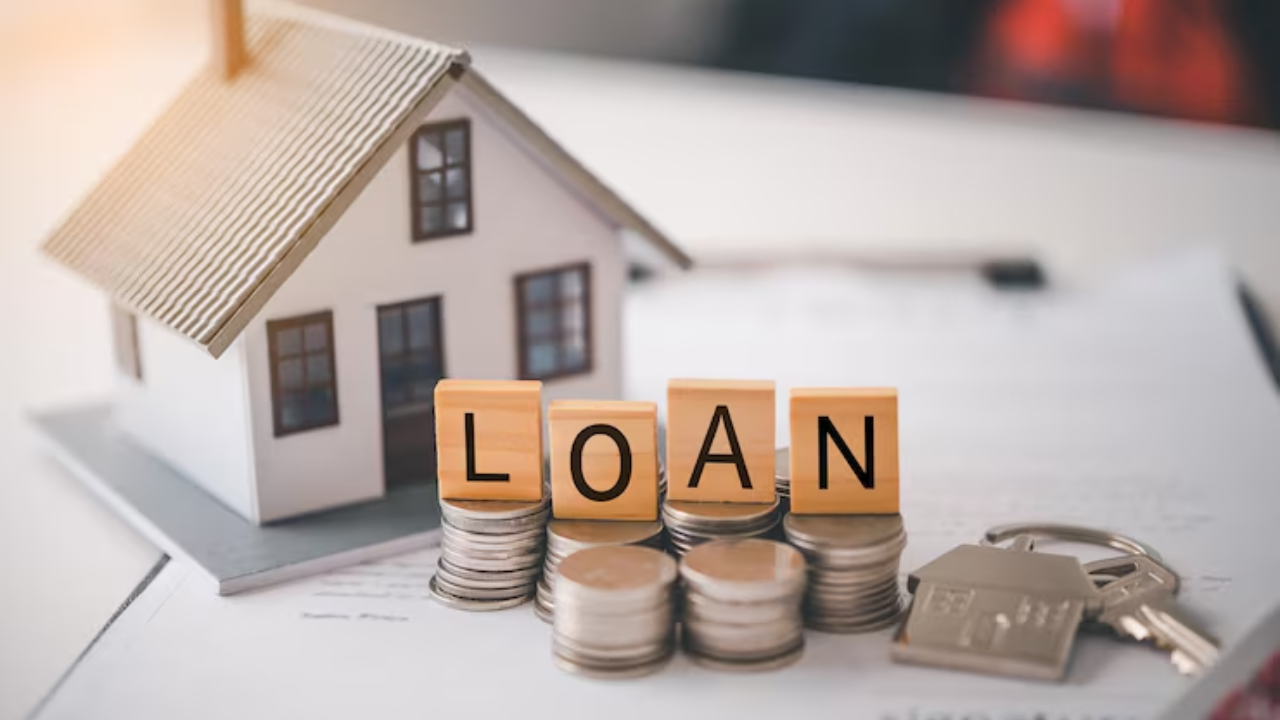
Long-Term Home Loans: For decades, buying a house in India followed a pretty predictable rhythm. People saved for years, put together a decent down payment,and then bought a home that sat neatly within their budget. A home loan was basically a bridge to close the gap,not the actual starting point of the whole purchase.
In many of India’s biggest cities, property prices keep climbing, and homeownership is getting more dependent on borrowing. For more and more buyers, the “dream home” isn’t really shaped by what they saved ,it’s shaped by what lenders will finance.
Are Long-Term Home Loans Safe Anymore:
With real estate prices rising quicker than incomes, it gets harder for salaries to catch up. Whether it is Mumbai, Bengaluru, Hyderabad,or Delhi-NCR, homebuyers are noticing that many listings cost several times their yearly earnings.
So instead of locking a spending ceiling using today’s finances, prospective homeowners are widening their search. They’re leaning on loan-eligibility math, rather than their initial comfort numbers.
Sure, that can make it easier to reach better locations and somewhat roomier homes, but the long-haul obligation grows too, and often more than people expect.
Bigger loans, longer commitments
One clear pattern in the housing market is that long-tenure home loans are showing up everywhere. Repayment spans of 25 to 30 years, which used to feel out of the ordinary ,are becoming common.
Longer terms lower monthly EMIs,so expensive properties can look “lighter” on paper. Still, borrowers are basically tied to debt for a large chunk of their working lives.
For plenty of families, buying a home now often means betting on future salary increases, expected promotions,and sometimes even expecting future household income to keep up with the repayments.
The pressure on household finances
A home loan is usually the biggest financial commitment a person makes. When a major slice of monthly income flows into EMI payments, everything else starts taking a backseat.
Savings, retirement planning, emergency cushions, children’s education, and insurance coverage can end up getting less attention, simply because housing costs are taking up more room in the household budget.
Financial planners commonly remind people that affordability is not only about loan eligibility. It’s about broader financial comfort, the whole picture,not just the qualification part.
Homeownership still stays a priority
Even with these issues, many Indian families still really want to own a home. Real estate remains a kind of stability badge, plus a long-term asset people believe will hold value.
Low inventory in prime neighborhoods, hopes for a better lifestyle,and the fear of missing out on future price gains are pushing buyers into the market even when prices are already high.
For dual-income households especially, homeownership is increasingly becoming possible through combined borrowing capacity, rather than relying solely on saved amounts.
Finding the right balance
Experts say homeownership can still make sense financially,if people approach it carefully. The core point is making sure the purchase doesn’t eat away at long-term financial security.
As prices keep rising, buyers may have to shift focus. Not so much on the maximum amount they can borrow, but on what fits comfortably with their larger financial ambitions, both now and later.
Owning a home may stay a cherished dream, but the real test is whether that dream quietly turns into a decade-spanning burden,stretching across years.