
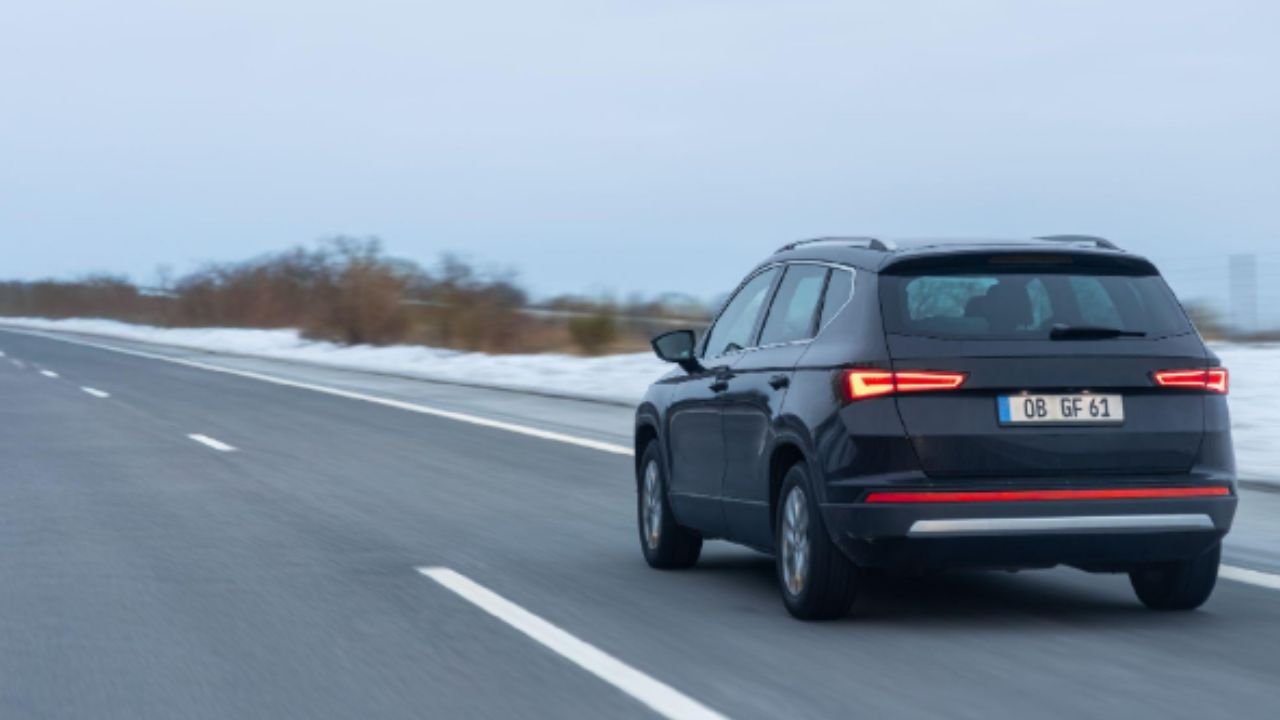
Modern car ownership now involves higher repair exposure, technology-heavy components, and greater financial consequences after accidental vehicle damage. Vehicle protection therefore matters beyond meeting the legal requirement for third-party insurance on public roads across India.
As repair costs rise and vehicles become increasingly technology-driven, protecting against unexpected financial losses has become a more important part of responsible car ownership.
Why Does Modern Car Ownership Cost More Than it Did a Few Years Ago?
Cars now contain more electronics, sensors, cameras, connected systems, and specialised components than many earlier models. Repairs involving windscreens, bumpers, mirrors, lighting units, or electronic modules can therefore become more involved after accidental damage.
Because many modern vehicles rely on specialised electronic systems and integrated components, even relatively minor damage can result in higher repair bills than before. As repair complexity increases, unexpected vehicle expenses have become a more important consideration for car owners.
What Everyday Risks Are Making Vehicle Protection More Relevant Today?
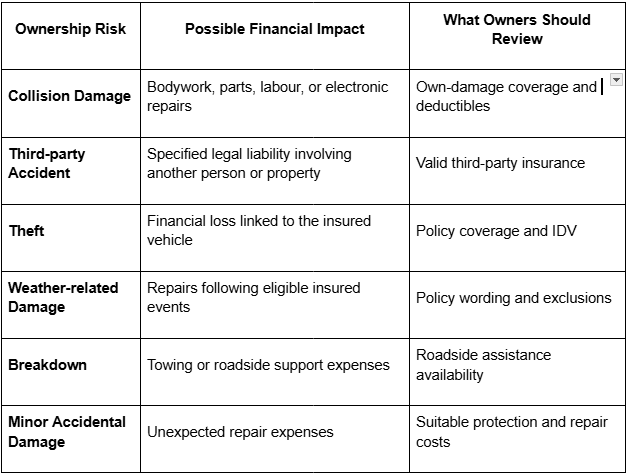
Modern vehicles face risks ranging from minor collisions to theft, weather damage, roadside breakdowns, and third-party liabilities. The financial effect depends on vehicle value, accident severity, location, usage patterns, and available policy protection.
Daily driving exposes vehicles to a range of risks, including accidents, theft, flooding, storm-related damage, vandalism, and unexpected roadside breakdowns. Even incidents that appear minor can lead to significant repair expenses depending on the vehicle and the parts affected.
How Does Vehicle Protection Help Car Owners Avoid Unexpected Financial Setbacks?
Suitable car insurance can help reduce the financial burden that may arise after eligible accident-related damage, helping owners manage unexpected repair expenses more effectively.
When a covered incident occurs, vehicle protection can reduce the need to rely entirely on personal savings to manage repair or replacement expenses. This becomes particularly valuable when repair costs involve expensive parts, specialised labour, or multiple damaged components.
For many households, this financial support can help prevent a single accident-related expense from significantly affecting monthly budgets or planned savings.
Why are More Drivers Treating Protection as a Core Ownership Expense?
Vehicle protection becomes easier to manage when insurance is budgeted alongside servicing, tyres, fuel, parking, and loan repayments. Treating premiums as an afterthought can encourage owners to focus only on the cheapest available policy.
Many owners now view vehicle protection in the same way they view fuel, servicing, tyres, and maintenance costs. As repair bills continue to rise, setting aside funds for protection has become an increasingly important part of responsible vehicle ownership.
As ownership costs continue to increase, more drivers see vehicle protection as a recurring expense that helps manage financial uncertainty over the life of the vehicle.
How Has Advanced Vehicle Technology Increased Repair and Replacement Costs?
Advanced driver assistance systems can place cameras, sensors, and electronic equipment around windscreens, mirrors, bumpers, and body panels. Damage affecting these areas may therefore involve more than repairing the visible exterior component alone.
Replacement of certain parts can also require compatible electronic equipment to be checked or recalibrated afterwards. This makes accurate repair assessment increasingly important for cars containing integrated safety and assistance technologies.
As more vehicle functions depend on interconnected electronic systems, damage that once required a simple part replacement may now involve additional diagnostic and calibration work. This has increased the financial impact of vehicle repairs for many owners.
Which Protection Features Matter Most to Modern Car Owners?
Not every vehicle owner faces the same risks. A daily city commuter, a long-distance traveller, and a premium car owner may all require different levels of protection. The most useful protection features are those that address the owner’s actual usage pattern, vehicle value, and financial exposure rather than simply adding extra features to a policy.
Features that address major repair expenses, roadside emergencies, or significant vehicle losses often provide the greatest practical value when aligned with the owner’s actual driving and usage patterns.
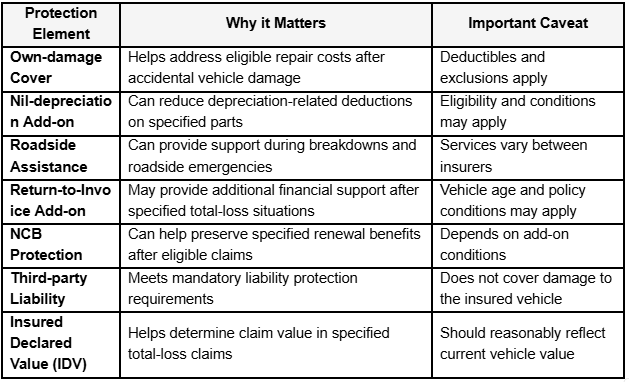
These features are commonly considered because they can help address different ownership and repair-related concerns depending on the vehicle and its usage.
Why Does Vehicle Protection Support Better Long-term Ownership Value?
Insurance cannot stop depreciation or prevent accidents, but it can reduce financial disruption after specified insured events. That protection can help owners avoid financing eligible repairs entirely through savings or short-term borrowing.
Vehicle protection can help owners manage large repair expenses without disrupting long-term financial plans. By reducing the financial impact of unexpected incidents, protection supports more predictable ownership costs over the life of the vehicle.
By reducing the financial burden of major repair costs, vehicle protection can help owners maintain their vehicles more confidently and avoid unexpected expenses that affect overall ownership value.
Conclusion
Vehicle protection has become increasingly important because modern cars are more expensive to repair and often contain advanced electronic systems that can increase the cost of even minor damage. Beyond meeting legal requirements, suitable protection can help reduce financial disruption after unexpected incidents and support more predictable vehicle ownership costs over time.