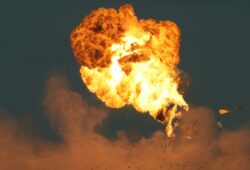
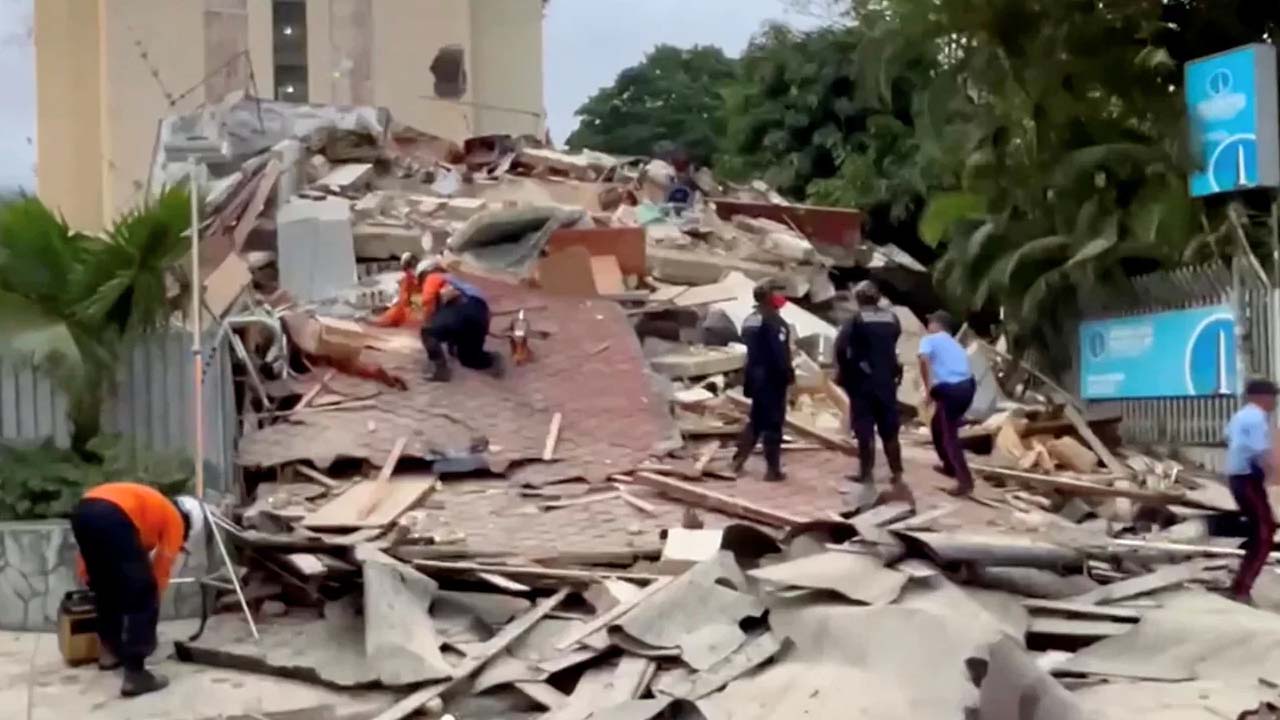
Venezuela was recently hit by this rare doublet earthquake kind of thing, when two earthquakes happen real close, both in time and kind of in the same place. It’s not a thing that shows up often, and when it does it can end up doing more harm than one big quake by itself.
What is a doublet earthquake
It is basically it’s when two strong earthquakes, with pretty similar magnitude, strike the same region within a short span. People often mix it up with aftershocks. But aftershocks are usually weaker. With a doublet, both of those shocks are treated as major seismic events, not just follow ups.
Venezuela Earthquake Disaster
What happened in Venezuela then? Reports say two powerful quakes hit northern Venezuela within seconds of each other, and the shaking was felt across multiple cities, including Caracas. The whole back to back rhythm of it triggered panic, led to evacuations, and damaged stuff like buildings, roads, and other public systems.
Why is this event a bigger deal?
Seismologists suggest the first quake may have nudged movement along a nearby fault. Then that setup likely helped cause the second big tremor. Rapid release like that is rare, and that’s why doublet earthquakes get labeled as especially risky.
Impact and response went fast, at least as much as it could. Transportation got disrupted, essential services too, and emergency teams were sent in to check the damage, help residents, and keep an eye on aftershocks. Those aftershocks can drag on for days or even longer, so it doesn’t just “end” quickly.
This Venezuela doublet earthquake is one more reminder that seismic activity can be unpredictable. Experts also think that studying the event might help people understand fault systems better, and maybe improve earthquake preparedness in places that are already vulnerable.