
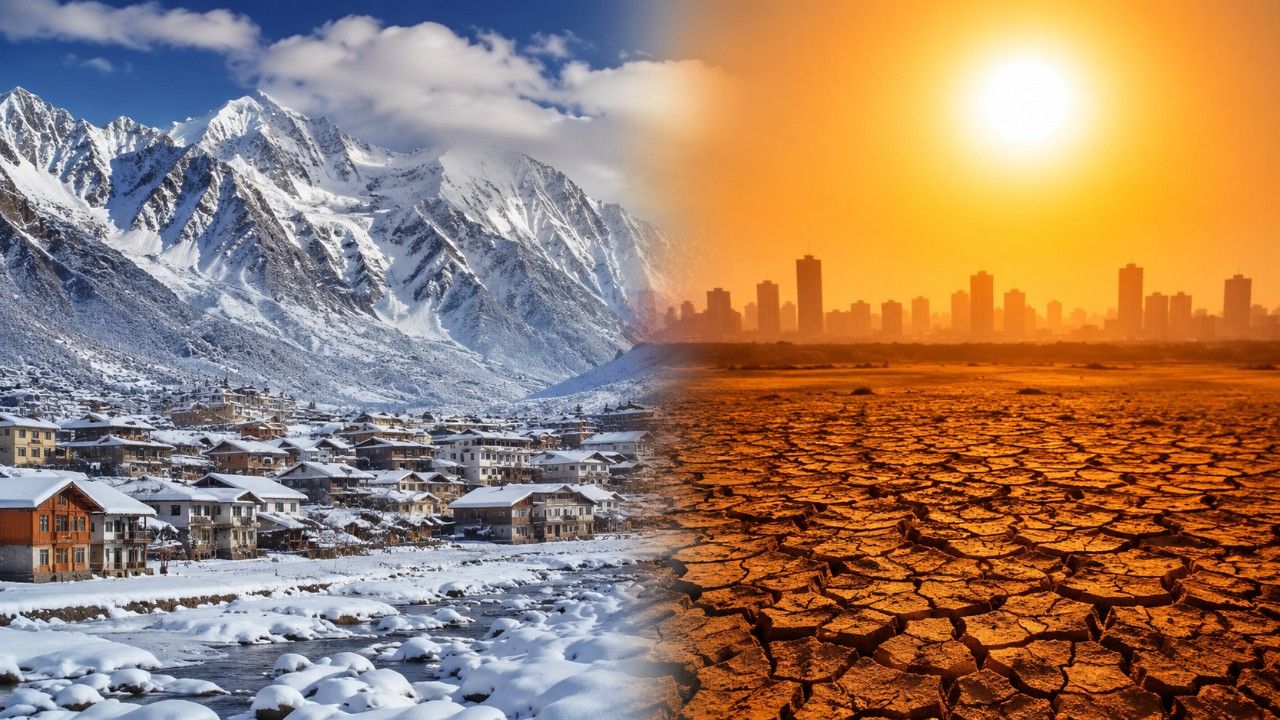
Step outside in some parts of North India right now and the heat feels unbearable. Roads are burning, hot winds are blowing through cities and even nights are giving no relief. But at the very same time, some Himalayan regions are once again witnessing fresh snowfall and near freezing temperatures. This unusual contrast is now becoming one of the biggest weather stories across India.
Scientists are calling this situation “Weather Whiplash.” It means completely opposite weather conditions are hitting the same country at the same time. One side is dealing with winter like conditions while another side is struggling under dangerous summer heat.

PC: PEXELS
Why Snowfall Returned To Himalayan Regions:
Usually by the end of May, snowfall activity starts reducing across most Himalayan areas. Summer slowly begins taking over mountain regions too. But this year, weather patterns have changed unexpectedly.
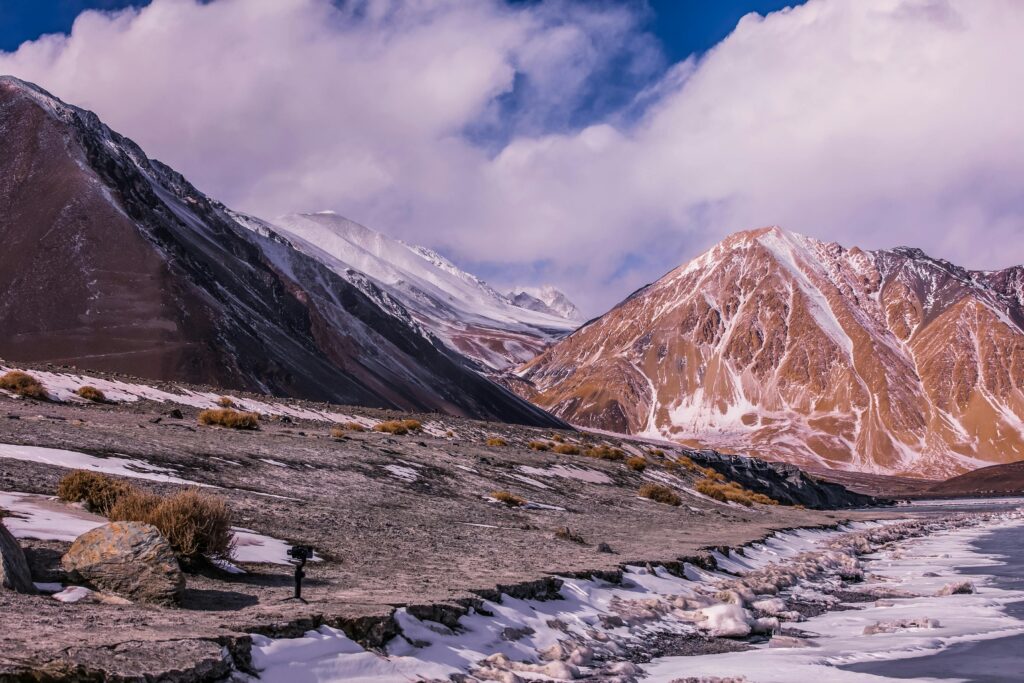
Several high altitude regions in the Himalayas have once again received snowfall because of strong western disturbances. These are cold weather systems that travel towards India from the Mediterranean side through countries like Iran, Afghanistan and Pakistan.
When these cold moisture filled winds hit the Himalayan mountains, they trigger snowfall, rain and hailstorms. Normally these systems remain stronger during winter months, but this year they are continuing even during late summer transition period.
Because of this, weather in mountain regions has become highly unstable. In some places, sunny conditions are suddenly changing into snowfall within hours.
PC: PEXELS
Why Plains Are Turning Into Heat Chambers:
While mountain regions are getting colder, many plain regions are witnessing severe heatwave conditions. Day temperatures are crossing 45 degrees Celsius in several areas while land surface temperatures in some locations are nearing 50 degrees according to satellite observations.
The bigger concern now is not just daytime heat but also extremely warm nights. Normally nights help the human body recover from daytime temperatures. But many regions are now recording temperatures above 30 degrees Celsius even after sunset. This is becoming dangerous because the body is not getting enough cooling time.
What Extreme Heat Does To Human Body:
Heatwaves are now considered among the deadliest weather disasters in the world. The human body cools itself through sweating. But when surrounding air itself becomes extremely hot, sweat does not evaporate properly.
As a result, heat starts getting trapped inside the body. This can lead to dehydration, heat exhaustion and heatstroke. Doctors warn that children, elderly people and outdoor workers are facing the highest risk during such weather.
Health experts also say long heatwave periods increase stress on the heart, lungs and brain, especially in crowded urban areas where concrete structures trap additional heat.
Why India Is Seeing Opposite Seasons Together:
The reason behind this unusual weather lies in India’s geography and changing climate systems.
Cold western winds are still affecting Himalayan regions while intense summer sunlight is heating up the plains. At the same time, moisture filled winds from the surrounding seas have also started entering the country before monsoon arrival.
This means cold air, dry heat and sea moisture are all colliding together over India right now. Because of this collision, weather systems are becoming unstable across multiple regions.
Heavy rainfall alerts have already been issued in some northeastern states where extremely heavy rain is expected within short periods. Southern regions are also witnessing thunderstorms, lightning and strong winds as pre monsoon activity increases.
Climate Change Is Making Weather More Unpredictable:
Scientists believe climate change is making these extreme weather patterns stronger and more frequent. Earlier, snowfall, heatwaves and heavy rain mostly followed predictable seasonal cycles. But now weather systems are behaving differently.
Late season snowfall, longer heatwaves, sudden cloudbursts and rapid temperature shifts are all increasing across different parts of the world, including India.
Researchers warn that such weather whiplash events may become more common in coming years as global temperatures continue rising.
India Is Stuck Between Three Seasons:
Right now, India appears trapped between winter, summer and monsoon at the same time. Winter conditions have not fully disappeared from mountain regions. Monsoon is slowly approaching from the seas. Meanwhile summer is already showing its harshest form across the plains. That is why some regions are seeing snowfall while others are struggling to survive extreme heat at the very same moment.
ALSO READ: Russia Strikes Kyiv Region Again With Deadly Missile and Drone Attack