
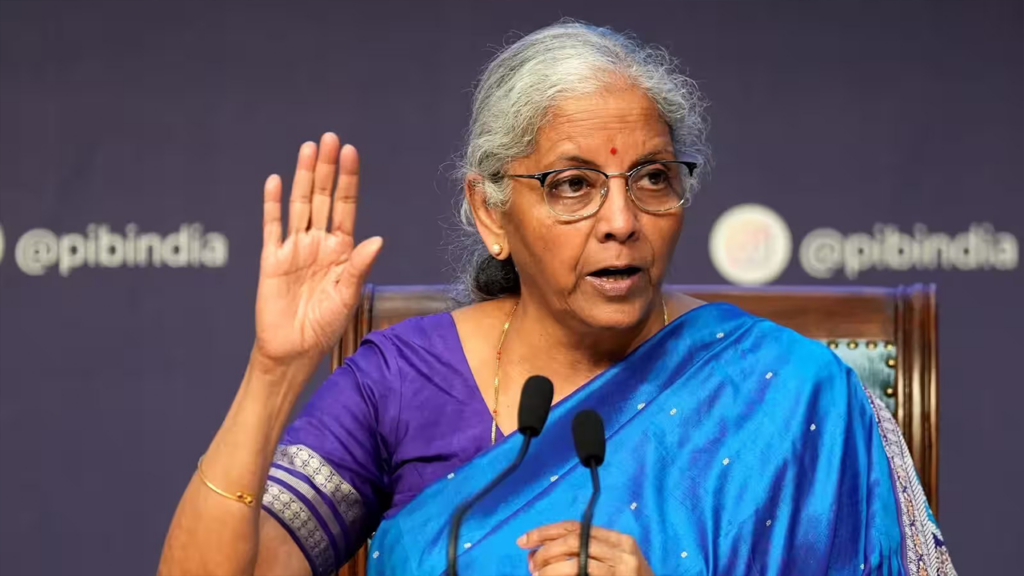
Union Finance Minister Nirmala Sitharaman has clarified that the newly introduced Merchant Discount Rate (MDR) on certain UPI transactions above ₹2,000 will not be charged to consumers.
Sitharaman Clarifies MDR Charge
Speaking to ANI on Monday, Sitharaman said MDR is a charge operating between participants in the digital payments ecosystem and will not be passed on to people making UPI payments. She also stressed that MDR is neither a tax nor a cess, and the money collected will not go to the Consolidated Fund of India.
The clarification comes after the government introduced a new UPI pricing framework earlier this month. From October 15, a 0.4% MDR will apply to specified person-to-merchant UPI transactions above ₹2,000. The charge will be capped at ₹300 for transactions of ₹75,000 and above. Person-to-person UPI transfers will continue to remain free.
The government has also specified that UPI payments up to ₹2,000 will remain free. Small merchants receiving up to ₹1 lakh a month through eligible UPI QR transactions will continue under the zero-MDR arrangement. According to the Finance Ministry, around 96% of merchant transactions will remain outside the new MDR framework.
The issue gained attention after Parliament’s recent amendment to the Payment and Settlement Systems Act enabled the introduction of a limited MDR framework. In August, the government had already said any future MDR would apply only to selected merchant transactions and that ordinary UPI users would not face transaction charges.
Sitharaman also criticised opposition parties for what she described as misinformation surrounding the move, urging the public to rely on official information.
The new system is intended to create a revenue mechanism for payment ecosystem participants while supporting continued investment in UPI infrastructure, cybersecurity and reliability.