
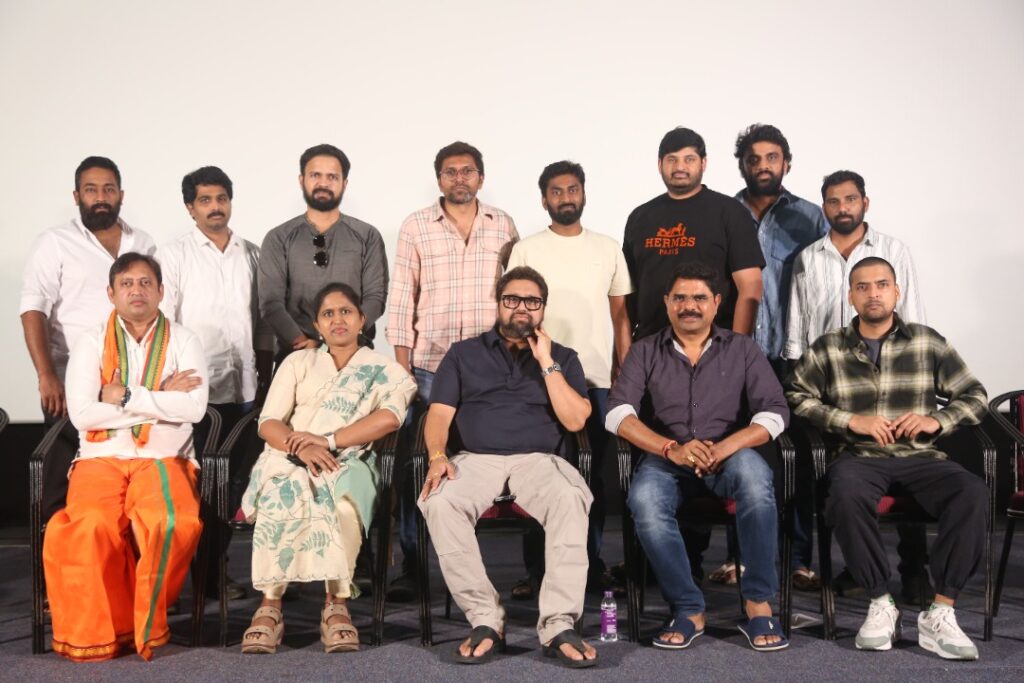
As there are ongoing strike conditions in Tollywood, a collective of “rising producers” have spoken out about the mounting challenges they face in film production. At a press conference held at Prasad Labs, Hyderabad, producers including S. K. N., Dheeraj, Rajesh Danda, Prime Show Chaitanya, Chai Bisket Sharath, Anurag, Madhura Sreedhar, Maheshwar Reddy, Rakesh Varre, and others addressed the media.
Producer Rajesh Danda stressed that the industry’s health depends on the survival of small producers. He stated that the workers’ strike over a 30% wage increase was worsening their difficulties. “We planned a Diwali release, but now shooting has stopped.
In some sets, though payment is calculated for 150 junior artistes, fewer than 50 are present. OTT and dubbing revenues aren’t coming in on time, yet we’re expected to pay daily without delay,” he said.
Madhura Sreedhar pointed out that even for a small scene, multiple union permissions and an inflated crew list are required, often exceeding actual needs, which increases costs unnecessarily. Prime Show Chaitanya added that the film industry, like IT and real estate, is in a slump, and mandating specific crew numbers is unreasonable when producers are already creating jobs.
Vamsi Nandipati noted that production costs have ballooned, with films budgeted at ₹2 crore ending up costing four or five times more. Dheeraj Mogilineni and Rakesh Varre highlighted that union rules force unnecessary hiring, wasting resources, while small films have little business potential.
Chai Bisket Sharath emphasised dialogue over division, while S. K. N. criticised unequal treatment between small and big producers. “Ninety percent of our industry is small producers. We face deadlines, financial strain, and often return home with empty pockets,” he said, calling themselves “burning producers” rather than “rising producers.”
The group appealed to unions to adopt a collective mindset that benefits the entire industry, and urged both Telangana and Andhra Pradesh governments to take note of their plight. They argued that while no major actor is demanding shooting halts over pay, unions should likewise work with the sentiment of “our industry, our producers.”