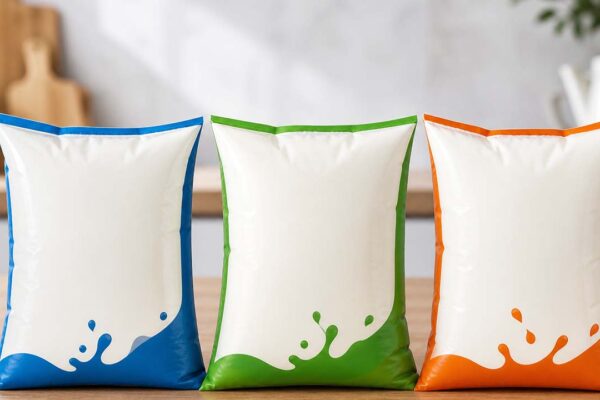
Milk Packets in India: People who stand at dairy counters to see different colored milk packets need to know they share this experience with others. The blue, green, and orange milk packs in India serve as branding elements but provide an instant visual system to identify different milk types.
This Is Why Milk Packets in India Are Color Coded
The main purpose of milk packet color coding exists because it shows customers the specific amount of fat content in products. The three packaging colors exist because milk comes in three specific forms which are full cream, toned milk, and double toned milk.
What Each Colour Means
Blue Packets: The fat content of toned milk gets represented through blue packets which show it contains moderate fat. The product serves as a popular choice because it provides essential nutrients while maintaining a light body.
Green Packets: The product shows low-fat or double toned milk through green packets which become popular among people who control their calorie consumption for improved health.
Orange (or Red) Packets: The packaging displays full cream milk which contains high fat content and delivers a strong flavor. This milk serves as a product for children and dessert creation and people who want milk with extra thickness.
The coding system consists of general color codes which different brands use throughout India although their specific colors might show minor changes.
The Complete Reasons Behind System Functionality
The Indian market requires fast product delivery which needs customers to have easy access to everything. The system uses color coding to help first-time buyers make quick choices between products during their fast shopping process. The system enables different family members to select their preferred milk type because each member has their own milk preference.
Not Just About Convenience
The color system also helps promote informed consumption. The system makes fat content identification easy which leads people to select milk products matching their personal health requirements for fitness training, children’s health demands, and daily milk use.