
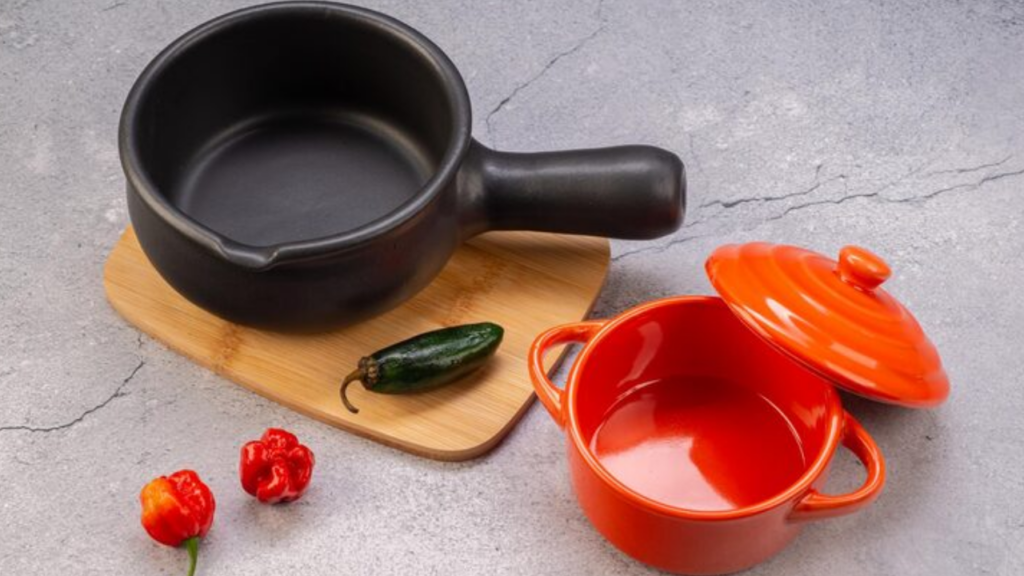
Best Non-Toxic Cookware: Picking the right cookware is basically essential for living a healthy lifestyle. Ingredients matter, but the pots and pans you use every day can also mess with food quality and safety. Nowadays a lot of people are moving toward non-toxic cookware, ones that are free of risky chemicals and made for, “healthier” cooking overall.
Best Non-Toxic Cookware for Healthy Cooking
Stainless Steel Cookware
Stainless steel cookware is one of the safest, and it’s super dependable for day to day cooking. It’s tough, non-reactive, and it shouldn’t dump harmful substances into your food. When it’s good quality, stainless steel is great for boiling, sautéing, steaming, and cooking curries and more. Plus, it’s pretty easy to keep clean. With basic care it can last for years.
Cast Iron Cookware
Cast iron cookware has stayed in kitchens for generations. It keeps heat really well, and it can add a bit of iron to what you eat. Cast iron pans work nicely for frying, roasting, grilling, and also for traditional meals like dosas, rotis, and other everyday Indian dishes.
And if you season it regularly, it can form a kind of natural non-stick feel, over time, which people like a lot.
Ceramic Cookware
Ceramic cookware is popular with health minded users, mostly because it is usually without PFOA and PTFE and similar chemicals. It supports lower-oil cooking and can be used for vegetables, eggs, and lighter meals.
But the ceramic coating, you still have to treat carefully, or it may lose durability as time goes on.
Carbon Steel Cookware
Carbon steel cookware is fairly lightweight, yet strong. It heats quickly, and handles high heat without drama, so it’s really suited for stir-frying and searing. Similar to cast iron, it can build a natural non-stick layer if you use it often.
Also, a lot of chefs prefer it for fast, even cooking, you know the kind that doesn’t keep stalling.
Glass Cookware
Glass cookware is totally non-reactive, and it won’t soak up smells or stubborn stains. People usually use it for baking, reheating, and even food storage. Since glass doesn’t release chemicals into food, it’s viewed as a solid healthy option, especially for oven cooking.
It also makes it easier to watch what’s happening inside, while you cook or bake.
Tips To Choose Healthy Cookware
- Avoid cookware that has scratched or damaged coatings
- Look for labels that say PFOA-free and PTFE-free
- Use wooden or silicone utensils, so you don’t damage the surface
- Buy cookware that’s built to last, for better long-term health benefits
- Pick cookware that matches your cooking style and also your stove type
Switching to non-toxic cookware can make cooking better, and it can support overall well-being too. From stainless steel and cast iron, to ceramic and glass, choosing safer cookware can feel like a small step that adds up toward healthier living.