
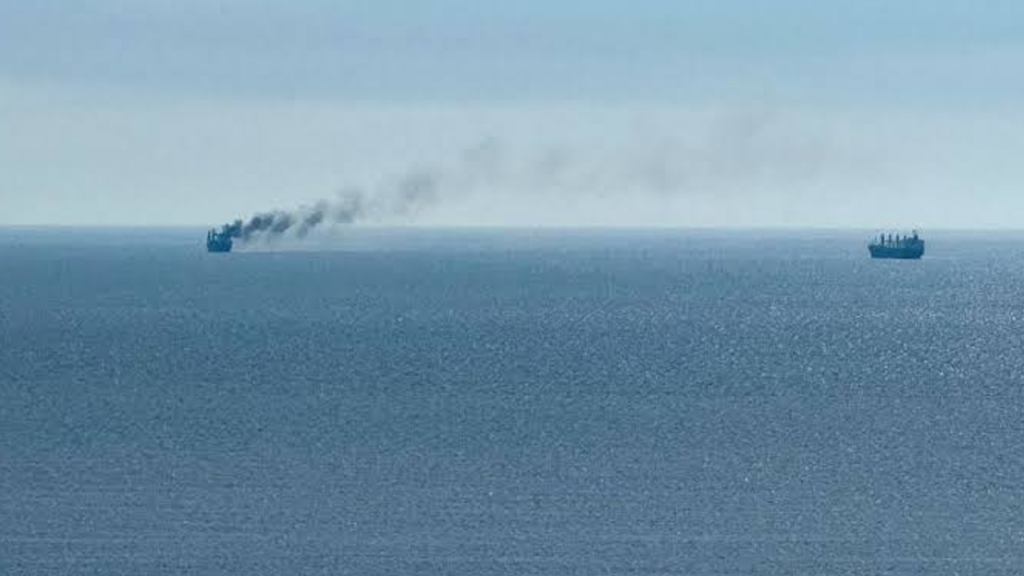
Russia’s ability to use one of its core sea lanes is again getting problematic after a fresh wave of Ukrainian drone attacks threw shipping into a chaos in the Sea of Azov. Kyiv’s strikes have reportedly made Moscow pause the movement of vessels through some key passages, a notable turn in the war, since Ukraine seems to reach farther into what was treated as a safe-ish Russian maritime area for a long time.
Ukraine Intensifies Black Sea Attacks
The Sea of Azov has been pretty important both for Russian military logistics tied to occupied Crimea, and also as a trade shortcut. But that edge now feels less solid as Ukraine expands its drone campaign.
Robert Brovdi, the commander of Ukraine’s drone forces, said Kyiv struck 116 Russian vessels in the Sea of Azov during a nine day window. Compared with earlier phases that mostly went after warships and heavily sanctioned oil tankers, these newer attacks have reportedly hit a broader mix of commercial ships and support vessels.
As a result, Russia has temporarily shut the Don-Azov Channel and the Kerch Strait, basically the vital connections that link the Sea of Azov to the Black Sea. Satellite views plus vessel-tracking data point to long queues of ships, sitting and waiting, because traffic stays disrupted.
This kind of stance may spill into exports too, including wheat and sunflower oil. Both still move through the area, even though parts of Russia’s energy sector face sanctions.
The Institute for the Study of War says the strikes fit into a larger Ukrainian plan, aimed at putting pressure around occupied Crimea and disrupting Russian military supply lines as well as maritime commerce.
Russia searches for other shipping paths
In response, Moscow is looking at bypass routes. The Agriculture Ministry said food on the home front is stable, and export commitments will stay in place, while alternative transport options are worked out.
At the same time, repeated Ukrainian hits on bridges, rail lines, and other infrastructure tied Crimea to mainland Russia have already complicated Moscow’s logistics map. Drone strikes have also hit oil-related facilities, which is now stirring environmental worries along nearby coastlines.
Sergey Lavrov, Russia’s foreign minister, denounced the attacks, describing them as terrorism aimed at civilian and commercial shipping. He also claimed that Turkish vessels were affected and alleged that infrastructure linked to the Blue Stream natural gas pipeline was targeted.
Still, even with the disruption, Russian officials maintain that agricultural exports and domestic food supplies are secure, and that rerouting efforts for cargo are continuing through other channels.