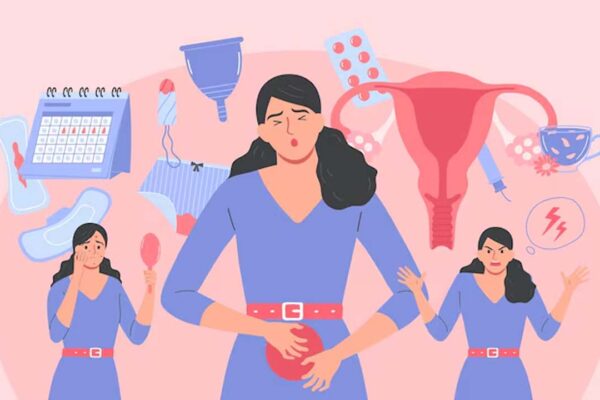
PCOS New Name: A big change got announced in women’s health around the world. The condition that was long known as Polycystic Ovary Syndrome (PCOS) has apparently been renamed Polyendocrine Metabolic Ovarian Syndrome (PMOS) after years of medical back-and-forth, and global research. Specialists say the new term fits better with what the condition really does ,because it touches millions of women worldwide.
PCOS New Name Explained
For quite a while, clinicians and researchers claimed that the label “PCOS” was kind of misleading. A lot of women who get the diagnosis do not have ovarian cysts, even though the wording sounds like it should be mainly about cysts. In their view, the whole situation is far more tangled, involving several hormonal signals plus metabolic processes in the body.
The new name – PMOS, is meant to spotlight endocrine and metabolic health, not only the ovaries. Health professionals think this shift may help people understand it faster, and that it could support better diagnosing and care decisions later on.
PMOS means Polyendocrine Metabolic Ovarian Syndrome.
This updated phrasing points to how the condition can influence hormone levels, insulin resistance, metabolism, fertility, mental well-being, and ongoing risk over time like type 2 diabetes and cardiovascular disease.
What Symptoms Are Linked To It?
Even with the name swap, most symptoms and the way clinicians diagnose it stay pretty similar. Typical symptoms include:
Irregular periods, or missed cycles
Weight gain or trouble shedding weight
Acne plus oily skin
Extra facial or body hair
Thinning hair on the scalp
Fertility challenges
Insulin resistance
Doctors usually confirm the condition using hormonal imbalance, disrupted ovulation, and ovarian observations from scans or lab bloodwork.
Why Experts Think This Shift Matters
Some researchers say the previous title caused unnecessary confusion, not just for patients ,but for healthcare staff too. There are reports that a few women waited longer than expected for a diagnosis, because they didn’t have ovarian cysts, even though other signs matched up with the disorder.
It’s also been said the worldwide renaming effort included 50+ medical organizations and thousands of patient responses collected across a 14-year stretch. Experts are hoping the new label will push more accurate approaches, and also increase research into metabolic and hormonal health.
Will Treatment Change Because Of The New Name?
So far, no major treatment updates have been announced. Lifestyle steps, movement, sensible eating, hormonal medications, and fertility-focused support are expected to stay central in care. Still, experts think a wider understanding of PMOS might help make future care more personalised, and more targeted for different people.