
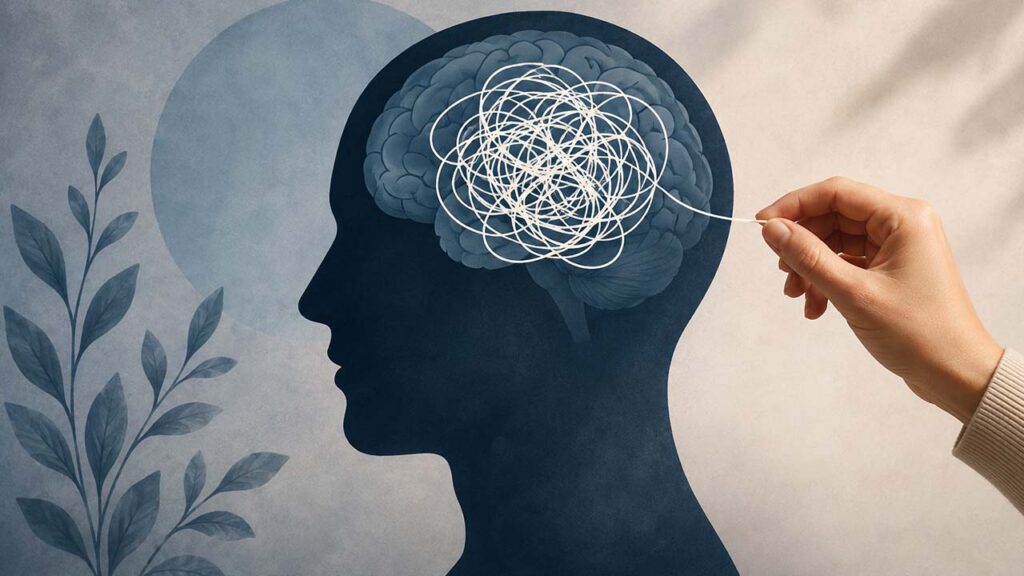
Obsessive-Compulsive Disorder, often just called OCD, is genuinely one of those mental health conditions that most folks misunderstand. A lot of people connect it with clean vibes and tidy routines, but studies show it’s way more involved than that – OCD is wrapped up in intrusive thoughts that feel unwanted plus repetitive actions people do to cope, and it can really shake up daily life, even if everything “looks fine” from the outside.
OCD Myths vs Facts:
Myth 1: OCD Is only about being clean
Fact: Sure, some people have contamination anxieties, but a huge number have obsessions about harm, relationships, health, religion, or persistent unwanted thoughts. OCD really moves past cleanliness and organization, like it’s in another lane entirely.
Myth 2: Everyone Is “A Little OCD”
Fact: Wanting things neat or orderly is not the same as having OCD. Clinicians treat OCD as a real, diagnosable disorder. It can bring intense distress and can mess with school, work, friendships, and more.
Myth 3: People With OCD Can just stop what they do
Fact: Compulsions aren’t simple habits you can switch off with a snap of will. Research links them to anxiety loops and brain-based mechanisms, so without the right treatment it’s often hard to control.
Myth 4: OCD happens because someone is weak or lacks willpower
Fact: Evidence points to a mix of genetic, neurological, and environmental factors. Experts generally view OCD as a medical condition, not a moral issue, not a character defect.
Myth 5: OCD Is rare
Fact: Estimates suggest OCD affects roughly 1–3% of people worldwide, which means it’s more widespread than most people assume.
Myth 6: OCD cannot be treated
Fact: Treatments can help, and the data supports that. Cognitive Behavioral Therapy, especially Exposure and Response Prevention (ERP), has strong evidence. Some people also benefit from medication, depending on the situation.
So, research makes one thing kind of obvious, OCD is much more than a preference for cleanliness or perfection. When people understand the facts, stigma tends to drop, earlier help becomes easier to seek, and conversations about mental health can get a lot more informed.