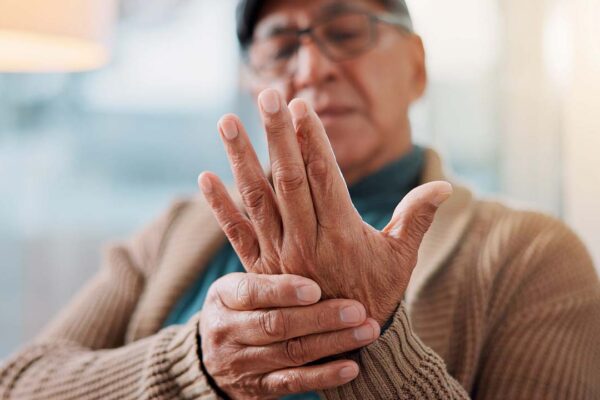
Parkinson’s Disease Care: Parkinson’s Disease constitutes a neurological disorder which progressively impairs both movement and balance along with coordination abilities. The typical symptoms include tremors, muscle stiffness, slowed movement, and speech or posture difficulties. People use Ayurvedic treatment as a complementary way to improve their life quality while modern medicine serves as their main treatment method.
Can Ayurveda Support Parkinson’s Disease Care
The Ayurvedic tradition connects Parkinson’s disease symptoms to a Vata dosha imbalance which controls both body movement and nervous system operations. Ayurvedic practitioners believe that calming and balancing Vata may help support better physical and mental well-being in patients dealing with neurological disorders.
Ayurveda does not claim to cure Parkinson’s disease but it provides treatments which help patients with their symptoms through relaxation techniques and mobility exercises and health improvement methods.
Common Ayurvedic Approaches Used
Doctors frequently recommend several Ayurvedic treatments which they use together with standard medical treatments. These may include:
Herbal formulations which include Ashwagandha and Brahmi and Kapikacchu
Abhyanga oil massages which help users experience greater mobility while decreasing their body stiffness
Panchakarma therapies which serve the dual purpose of detoxifying the body and providing relaxation benefits
Yoga and breathing exercises which enable users to gain flexibility while maintaining their balance and managing stress
Diet modifications which help with digestion while preventing inflammation
After patients adopt these practices into their daily schedule they experience both increased mental tranquility and enhanced physical comfort.
Can Ayurveda Really Help?
The research indicates that Ayurvedic treatments help Parkinson’s patients by reducing their stress levels while enhancing their sleep quality and relieving their muscle stiffness and bolstering their emotional wellbeing. Regular yoga and meditation practice helps people develop balance abilities which enhance their mobility skills.
The scientific community still lacks sufficient evidence to demonstrate Ayurveda’s effectiveness for treating Parkinson’s disease. Experts believe that patients should use Ayurvedic treatments as additional support to their primary neurologist-approved medical treatments.
Important Precautions To Remember
Doctors instruct patients to maintain their prescribed Parkinson’s treatment while they explore alternative medicine options. Patients must have medical supervision because certain herbal products can create harmful interactions with their medications.
Before beginning any Ayurvedic treatment, patients should consult both a neurologist and a qualified Ayurvedic practitioner to ensure safe and coordinated care.
Ayurveda provides people with Parkinson’s Disease multiple supportive benefits which enhance their stress management capabilities and their flexibility and their sleep quality and their overall health status. The combination of holistic treatments with modern medical methods enables certain patients to handle their daily tasks with greater ease while the treatment itself does not serve as a cure for their condition.