The Narcotics Control Bureau (NCB) says it has broken up a drug network that moved medicines illegally between Delhi and the Kashmir Valley. Four people have been arrested, and more than five lakh tablets, capsules and bottles of medicines were seized. It all began when a bus heading to Srinagar was stopped in Jammu and Kashmir. The trail ended at a hidden storage place in Shahdara, northeast Delhi.
The NCB’s Jammu and Delhi zonal units worked on the case together. Officials say the network took medicines out of the legal supply chain and sold them illegally. The seized medicines contain tramadol hydrochloride, alprazolam, nitrazepam and codeine. Investigators are now trying to find out where the medicines came from, how they left the legal channels, and who paid for and sold them.
How the NCB followed the trail
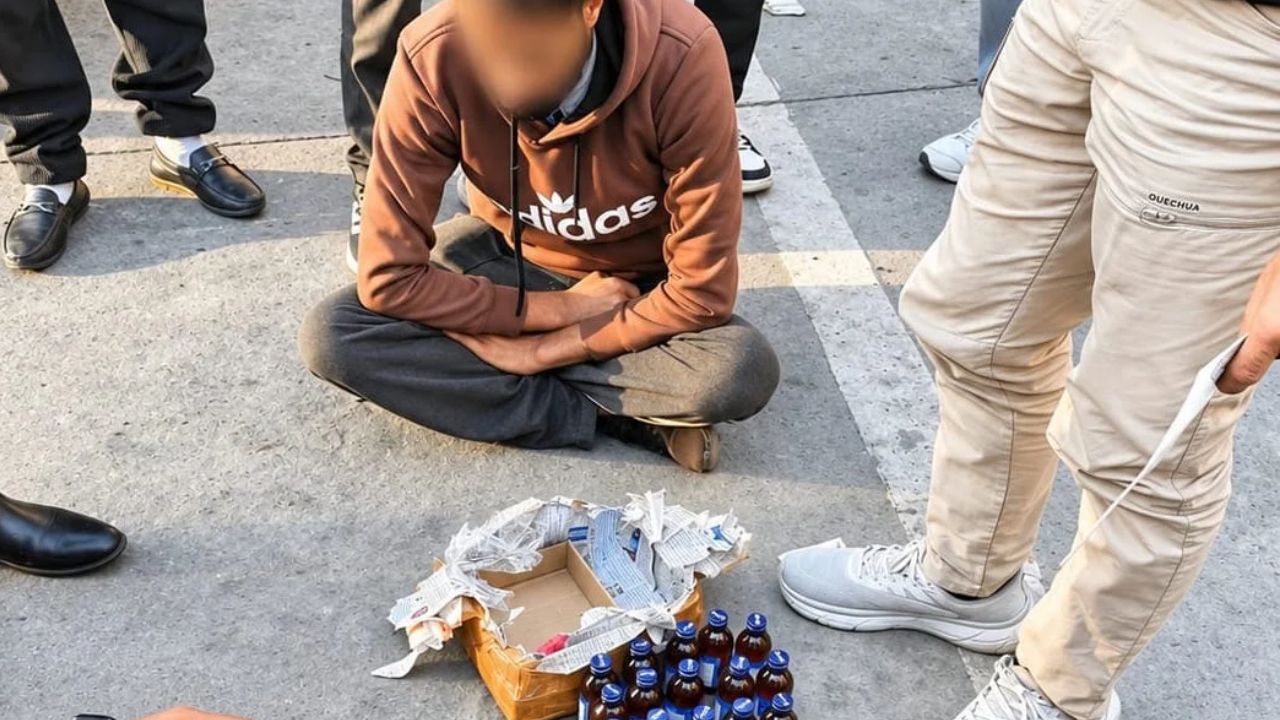
On November 16, the NCB’s Jammu unit acted on a tip and stopped a Srinagar-bound passenger bus near the Mada Toll Plaza at Chenani in Udhampur district, in the early hours. Officials found about seven kg of codeine cough syrup with a passenger from Bhaderwah in Doda district.
The NCB filed a case under the NDPS Act, 1985, and began looking into where the syrup was going and who was behind it.
The search then moved to the Kashmir Valley. Officers arrested the man believed to be the main receiver of the syrup, a resident of Anantnag district. This helped them trace the supply chain back to Delhi.
The Delhi link
Using leads from Kashmir, the Jammu and Delhi teams went after people linked to the supply in the capital. On November 18, they found another 356 bottles of codeine cough syrup in follow-up searches. They then got a tip about a storage place in a rented building in Shahdara, which was allegedly being used as a secret warehouse.
Searches on November 18 and 19 led to the seizure of more than five lakh tablets, capsules and bottles of tramadol hydrochloride, alprazolam, nitrazepam and codeine. The NCB has not yet named all the accused or said what role each one played.
What these drugs are and why they matter
These medicines have real medical uses, but they can be misused when taken without a doctor’s advice.
Codeine: An opioid used in some cough syrups and painkillers. Misuse can lead to dependence, heavy drowsiness and, in large doses, dangerous breathing trouble.
Tramadol hydrochloride: An opioid painkiller for moderate to severe pain. It can cause dependence, seizures and life-threatening breathing problems, especially when misused or mixed with other sedatives.
Alprazolam: A medicine for anxiety and panic. It slows the nervous system and can cause dependence, drowsiness and poor balance.
Nitrazepam: A medicine for short-term sleep problems. Misuse can lead to dependence and too much sedation.
These medicines are not illegal in themselves. They are sold legally under prescription rules. The concern here is that they were allegedly taken out of the approved supply chain and sold illegally.
Why the Shahdara warehouse matters
The first catch on the bus was small. The Delhi searches found a far bigger stock. This suggests the warehouse may be a storage and distribution point for a larger network, and not just a one-time case of a passenger carrying medicines.
The NCB is now checking where the syrup entered the legal supply chain and where it was diverted. It is also trying to find the suppliers, the distributors and the buyers in the Valley. It is also looking at how the money moved, including how suppliers were paid. How big the network is, how long it ran and how many people were involved are not yet known.
Targeting the whole network
The NCB says it is now trying to break up entire drug networks and not only catch individual carriers. The Centre’s Vision Document on Narcotics Control for 2026-2029, launched in June 2026, calls for investigations that go after suppliers, financiers, handlers and distributors. In this case, the NCB stopped a consignment on the road, found the likely receiver in Kashmir, traced the supply to Delhi and found the warehouse. The agency says its aim is to cut off supply at the source. Arresting one carrier or seizing one consignment may not stop the trade if those who arrange the buying, storing, moving and payments keep working.
Public appeal
The NCB has asked people to share reliable information about drug trafficking and illegal diversion of medicines through the national helpline MANAS at 1933. Callers can report in confidence. The helpline is part of the Nasha Mukt Bharat campaign, which combines enforcement with awareness, prevention and support for people affected by drugs. The investigation is still on.