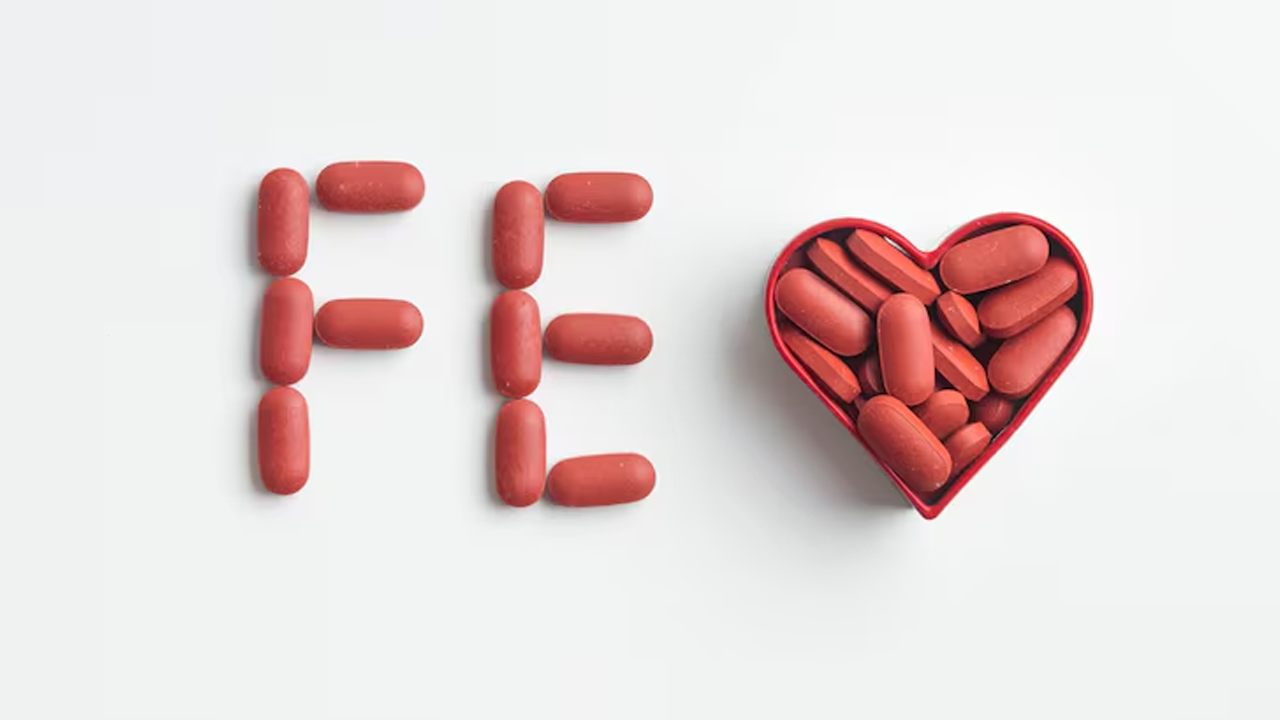
Iron is one of those essential minerals that helps the body make haemoglobin. Haemoglobin then carries oxygen through your blood, so basically it is very vital for the body. Many women, especially those who menstruate, can end up needing more iron and inadequate intake can happen more easily than people expect.
Simple Dietary Changes Indian Women Can Make
Add more iron-rich foods
Try to include iron-rich items in your meals more often. If you follow a vegetarian pattern, options like lentils, beans, chickpeas, soybeans, spinach, and other dark green leafy greens are helpful. You can also get some iron from nuts, seeds, and fortified cereals.
If you’re not vegetarian, eggs, fish, chicken, and meat are sources of iron too. In general, meat and seafood can supply a type of iron that tends to be absorbed a bit better by the body.
Combine plant sources with vitamin C
Plant-based iron isn’t absorbed as efficiently as iron from animal foods, so pairing matters. For example, having dal, beans, or leafy greens with something vitamin C rich can improve absorption.
You can add lemon juice to meals, or keep fruits like oranges, guava, amla, kiwi, or even tomatoes with your iron-rich food, kind of as a side.
Be a little careful with tea and coffee
Tea and coffee have certain compounds that may reduce iron absorption if you take them around meal times. So if you’re working on raising your iron intake, try having tea or coffee between meals instead of right with an iron-containing plate.
Go for balanced meals
Don’t rely only on one item. It’s usually easier if you mix different iron sources across the day. Like dal with vegetables and a bit of lemon, or a chickpea salad with tomatoes plus other veggies, this style gives both iron and vitamin C in a simple way.
Also don’t ignore symptoms that keep showing up
Low iron levels can sometimes show up as tiredness, weakness, dizziness, headaches, or shortness of breath. But, to be fair, these symptoms can come from other causes too.
If you think iron deficiency might be going on, it’s smarter to talk to a healthcare professional, and get tested. Don’t just start iron supplements on your own, because too much iron can also be harmful. The right approach should depend on the root cause and the blood-test results.
Small, steady changes in food choices can make it easier to meet daily iron needs, and a varied balanced diet still helps with overall nutrition, not just one nutrient.