Human papilloma Virus (HPV) is kinda one of those most common sexually transmitted infections, that usually doesn’t cause big trouble at first. Still , some HPV types that are labeled “high risk” can later lead to cancers like cervical , anal, penile, vulvar, vaginal, and even certain throat cancers.
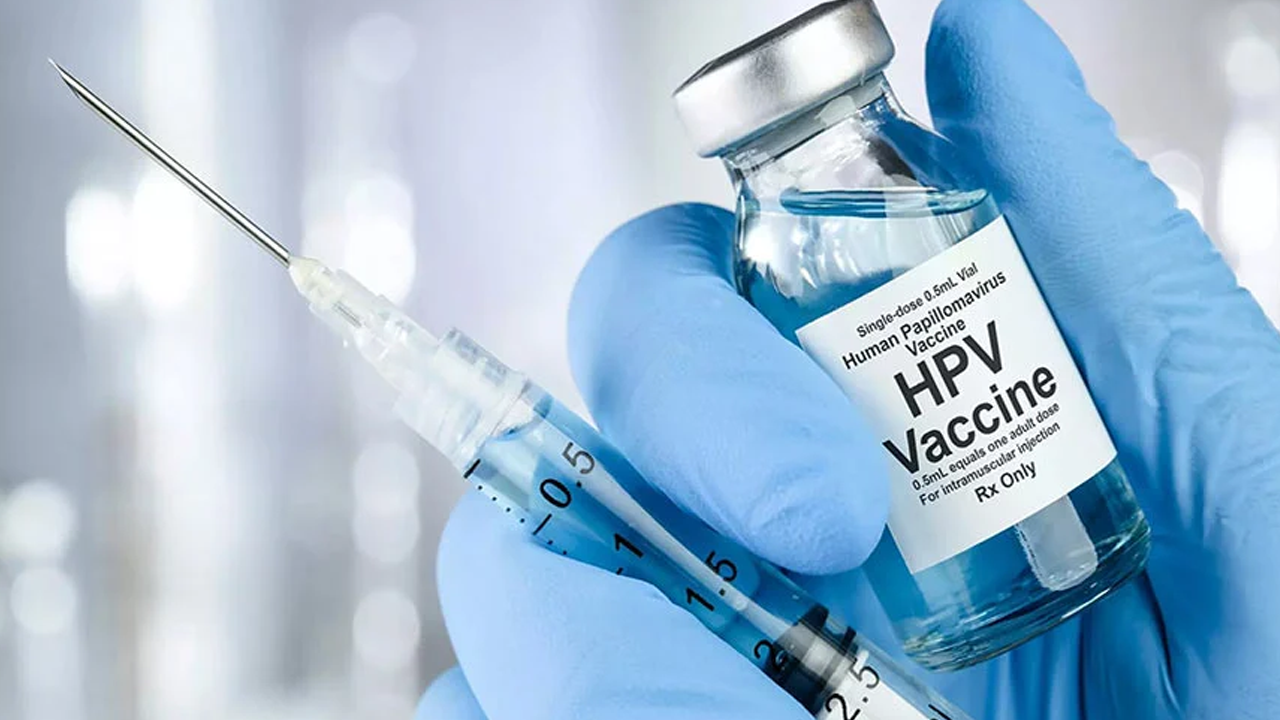
Now the HPV vaccine is basically a prevention tool. It helps block infection from several cancer related HPV types. Below is the rundown, in a way that hopefully makes sense
What Is the HPV vaccine
The HPV vaccine guards against certain types of human papillomavirus that are connected with cancers and also genital warts. It tends to work best if given before you’re ever exposed, though even people who missed earlier vaccination may still gain protection in some situations.
Who Should Get the HPV Vaccine
HPV vaccination is routinely recommended for kids and teens, with routine start around ages 11–12. Sometimes it can begin as early as age 9 too. If someone didn’t get it earlier, catch up vaccination can usually still happen. Some adults might also benefit depending on age, prior vaccination, and their personal situation, so it’s worth asking a healthcare professional
How Many Doses Are Needed
The dose count depends mostly on the age you start.
If you start before your 15th birthday, you generally receive two doses. If you start at 15 or older, you typically need three doses. The exact schedule should be followed the way medical guidance says
Can the HPV Vaccine Prevent Cervical Cancer
Yes. HPV vaccination can lower cervical cancer risk a lot because ongoing infection with high risk HPV is behind most cervical cancers.
But it’s not a blanket shield for every HPV type, so women who are vaccinated still need the recommended cervical cancer screening
Can Adults Get the HPV Vaccine
Yes, some adults can still take the HPV vaccine. It’s especially a conversation to have with a clinician if you missed vaccination during your teen years.
Also, the vaccine prevents new HPV infections, but it doesn’t treat an infection that already exists
HPV Vaccine and Pregnancy, what happens then
In general, HPV vaccination isn’t recommended during pregnancy. If someone gets pregnant after starting the shot series, the remaining doses are usually delayed until after pregnancy.
If it somehow gets done during pregnancy, that isn’t usually treated as a reason for special action, but the person should talk it through with their doctor
What Side Effects Should You Expect
Most people tolerate the vaccine pretty well. Common reactions are:
Pain, redness, or swelling where the injection went in
Headache
Mild fever
Tiredness
Muscle or joint discomfort
Dizziness or fainting
Serious allergic reactions are rare
Does the HPV Vaccine Cause Infertility
No. There’s no solid evidence that HPV vaccination causes infertility. In fact, preventing HPV related cervical problems could help reproductive health by lowering chances of major cervical abnormalities
Can You Still Get HPV After Vaccination
Yes. The vaccine doesn’t cover every HPV type, and it can’t clear an infection already in the body. That’s why vaccination doesn’t remove the need for screening like cervical cancer checks
Do You Still Need Cervical Cancer Screening After the Vaccine
Yes, screening is still needed. HPV vaccination doesn’t replace it. Regular screening can find precancerous changes earlier and help prevent cervical cancer
HPV Vaccine in India
HPV vaccination is available in India, but the exact vaccine types, prices, and availability can differ. Parents and adults who are considering it should speak with a qualified healthcare professional about which option and schedule fits best
HPV Vaccine Myths vs Facts, because people talk
Myth: The HPV vaccine causes infertility.
Fact: There isn’t convincing evidence that HPV vaccination leads to infertility.
Myth: Only women need it.
Fact: HPV affects people of all sexes, and it can lead to multiple cancers plus genital warts
Myth: After vaccination you don’t need screening.
Fact: Vaccinated people still need the recommended cervical cancer screening
Myth: The vaccine can give you HPV.
Fact: HPV vaccines do not include live HPV, so they can’t cause an HPV infection
Why HPV Vaccination Matters
HPV vaccination is a key preventive measure against several HPV related cancers. The protection is strongest when it’s given before HPV exposure, but eligible older adolescents and adults can still discuss vaccination with a healthcare professional
Just remember this: the HPV vaccine blocks new infections, it doesn’t treat existing HPV. When vaccination and regular screening are done together, the protection against HPV related cancers is much better