
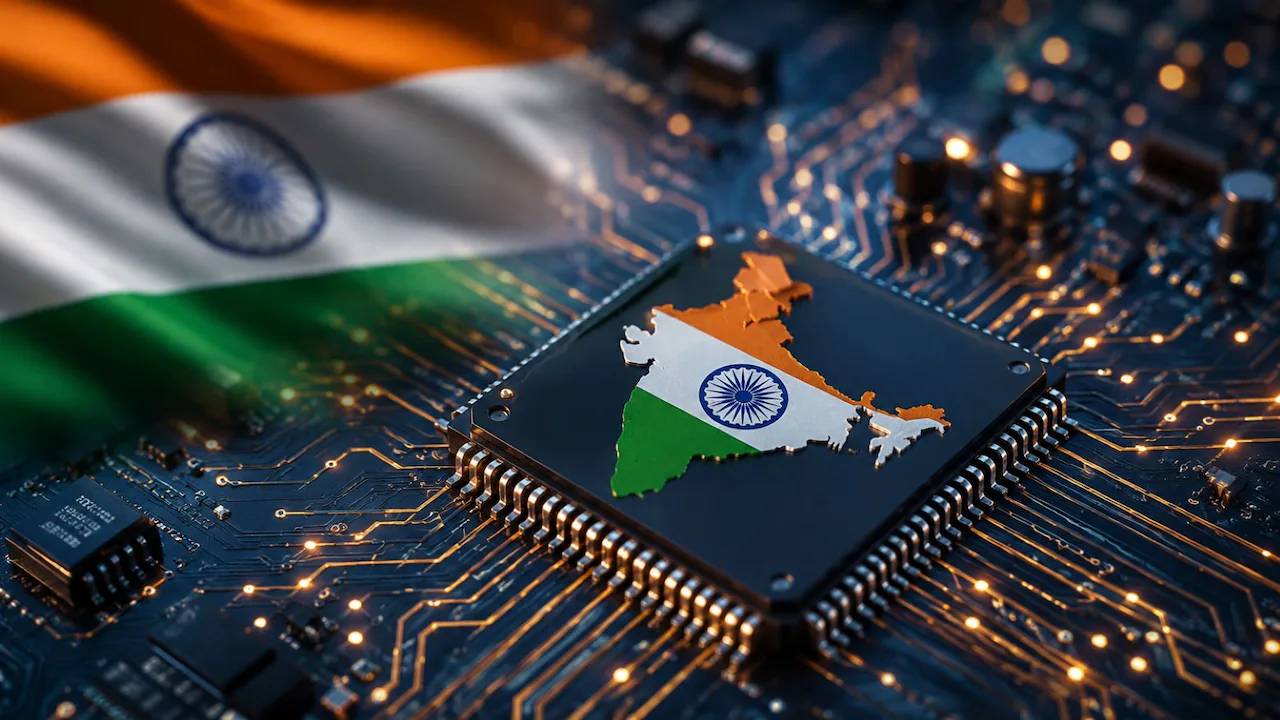
The Union Cabinet has approved Semicon 2.0, the second phase of the India Semiconductor Mission, with an investment of Rs 1.27 lakh crore. The new programme aims to strengthen India’s semiconductor industry, reduce dependence on imported chips, and make the country a global hub for semiconductor manufacturing.
The first phase, Semicon 1.0, launched in 2021 with a budget of Rs 76,000 crore, helped attract investments worth over Rs 1.64 lakh crore. It supported the establishment of semiconductor manufacturing and packaging units, encouraged chip design startups, and trained thousands of students in semiconductor technology.
Building on that progress, Semicon 2.0 focuses on six major areas—chip design, semiconductor equipment and materials, new fabrication plants (fabs), chip packaging (ATMP/OSAT), research and development (R&D), and skilled workforce development.
The government will also support companies making semiconductor machinery, chemicals, and materials needed for chip production. More investment will be encouraged in advanced chip manufacturing and packaging facilities.
Experts believe the programme will help India build a stronger semiconductor ecosystem, attract global investments, create high-skilled jobs, and improve supply chain security. However, they also say the full benefits will take several years, as semiconductor manufacturing is a long-term industry.
With Semicon 2.0, India aims to become more self-reliant in semiconductor production and emerge as a major player in the global chip industry over the coming decade.