
Iron deficiency is honestly, one of those most common nutritional issues world wide, it can show up in pretty much all age groups. A lot of people just think low iron means tiredness, but it can also sneak in with a bunch of smaller, more quiet signals that many people kind of ignore.
Iron has a big job in making haemoglobin, which is a protein in red blood cells that basically moves oxygen around the whole body. When iron levels drop , the body may have a harder time getting enough oxygen, so symptoms can appear in different ways.
7 Common Symptoms Of Iron Deficiency
1. Constant Fatigue and Low Energy
If you feel worn out all the time even after a decent amount of rest, that can be a sign. With low iron, oxygen delivery to muscles and other tissues goes down, so weakness can show up, energy stays low,and day to day activity feels harder.
2. Pale Skin
Iron deficiency can change how the skin looks too. With reduced haemoglobin, the skin, lips,or even the inside area of the eyelids might look lighter than usual.
3. Hair Loss and Brittle Nails
Low iron levels can interfere with normal hair growth and nail condition. Some people notice more hair shedding, hair feels thinner,or nails start getting fragile and breaking more easily.
4. Shortness of Breath
If the body isn’t getting enough oxygen, it may try to “fix” it by breathing faster. That may cause breathlessness during everyday tasks like walking , climbing stairs,or light exercise.
5. Dizziness and Headaches
Iron deficiency can limit oxygen reaching the brain, which may result in regular headaches, dizziness,or trouble focusing. Some people also describe it like a light-headed or floaty feeling.
6. Cold Hands and Feet
Many people with low iron report feeling strangely cold, especially in the hands and feet. Lower oxygen circulation can make it harder for the body to hold onto warmth.
7. Unusual Cravings
One less talked about symptom is pica, where someone develops cravings for non-food items such as ice, chalk, clay,or dirt. The exact cause isn’t fully clear, but it’s often tied to iron levels being low.
When Should You Check Your Iron Levels?
If several symptoms hit at once , like ongoing fatigue, hair shedding, dizziness,or odd cravings, it might be smart to speak with a healthcare professional. A simple blood test can measure iron levels, and also show whether changes in diet or supplementation would actually help.
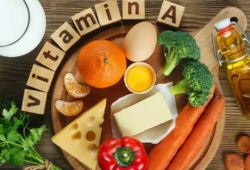
Try including iron-rich foods such as spinach, lentils, beans, nuts, seeds, eggs, and lean meats. Still, supplements shouldn’t be started without medical guidance, because too much iron can be dangerous as well.