
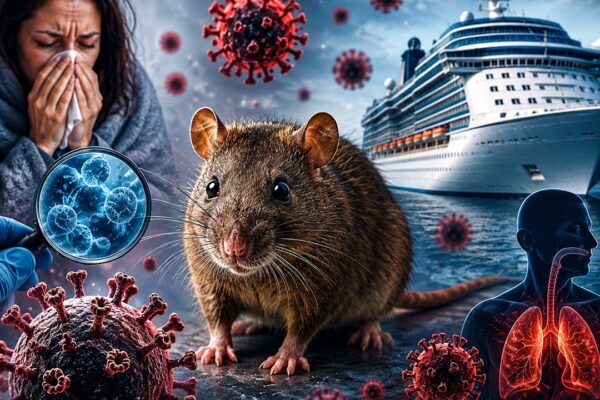
Hantavirus Outbreak: New worry about hantavirus infections has popped up worldwide after online reports said suspected cases might be tied to an outbreak on a cruise ship. The situation has restarted talks about travel safety, shipboard cleanliness and being ready for infectious diseases, especially now that international tourism is growing again.
Health agencies are watching closely, experts say, there is no need for mass panic right now. Still, travellers are told to keep informed and to follow basic health measures.
What is hantavirus?
Hantavirus refers to a family of viruses usually passed on through contact with infected rodents, particularly their urine, droppings or saliva. In rare circumstances people can get infected by breathing in tiny contaminated particles in closed spaces.
The virus can lead to a serious lung illness called Hantavirus Pulmonary Syndrome (HPS), which can get bad if not treated early.
Unlike viruses like COVID-19 or the flu, hantavirus generally does not spread easily from person to person.
Why the cruise ship story is making headlines
The cruise scare got attention after several passengers reportedly developed flu-like symptoms during the trip, which prompted medical checks and some isolations on board.
Investigations are still ongoing, but links in some reports to possible hantavirus exposure raised alarm because cruise ships are crowded indoor places, with shared facilities and international routes.
Health officials continue trying to pin down the exact source and nature of the infections.
Common symptoms of hantavirus
Early signs can look a lot like the flu or a viral fever, so it is hard to spot at first. Commonly noted symptoms include:
– fever and chills
– muscle pain
– unusual tiredness
– headache
– nausea or vomiting
– shortness of breath in severe cases
Doctors warn that serious breathing problems need immediate medical care.
Is it safe to travel right now?
Experts do not advise cancelling trips just because of hantavirus fears. The virus is still relatively rare, and most cases come from direct contact with rodents rather than normal public travel.
That said, travellers should keep following hygiene steps, particularly in closed spaces, hotels, cabins or rural areas where rodents might be present.
Safety tips for travellers
Health specialists suggest a few simple precautions when travelling:
– keep good hand hygiene
– avoid touching rodents or rodent-infested spots
– store food sealed properly
– make sure accommodations are clean and have good ventilation
– wear a mask when cleaning dusty, closed areas if needed
– seek medical care if flu-like symptoms start after a trip
Cruise lines and travel authorities are also likely to beef up cleaning and health checks after this scare.
Should travellers be worried?
Public health experts say awareness matters but panic is not necessary. Compared to many contagious viruses, hantavirus cases are uncommon and often preventable with proper hygiene and safer environments.